A rustic garden feels like stepping into a peaceful countryside retreat. Weathered wood, vintage pieces, natural stone, and wild greenery combine to create a cosy, timeless outdoor space that feels both natural and welcoming. Rustic garden decor celebrates imperfection—think worn textures, reclaimed materials, and handmade touches that add personality and warmth.
In recent years, rustic and cottage-style gardens have become increasingly popular, especially with the rise of “cottagecore” gardening trends that focus on natural beauty, wildflowers, and a slower, nature-connected way of life. Whether you have a large backyard or a small garden corner, rustic decor can transform your outdoor space into a charming retreat.
The best part? Rustic garden decor doesn’t require expensive materials. Many of the most beautiful rustic garden ideas use recycled wood, vintage tools, old containers, or natural elements like stone and logs. These pieces add character while blending seamlessly with plants and flowers.
This guide explores 10 rustic garden decor ideas that will help you design a backyard full of warmth, creativity, and timeless charm.
What Makes Rustic Garden Decor So Appealing
Rustic garden decor captures something many modern landscapes miss—authentic charm and natural beauty. Unlike sleek contemporary gardens with clean lines and perfect symmetry, rustic gardens celebrate textures, imperfections, and organic shapes. The result is a space that feels relaxed, inviting, and connected to nature.
One reason rustic gardens are so appealing is their use of natural materials. Wood, stone, clay, and metal age beautifully outdoors. Instead of deteriorating, they develop a patina that adds character over time. A weathered wooden bench, rusty watering can, or moss-covered stone pathway tells a story, creating a garden that feels alive and evolving.
Another major appeal of rustic decor is its flexibility and affordability. Many rustic elements can be created with recycled or reclaimed materials. Old ladders become plant stands, vintage crates transform into planters, and broken wheelbarrows turn into flower displays. This creative reuse not only saves money but also reduces waste and supports sustainable gardening.
Rustic gardens also encourage biodiversity and natural planting styles. Wildflowers, climbing vines, and mixed plant beds are common features. According to gardening research, wildflower areas attract pollinators up to 13 times more frequently than traditional lawns, making rustic gardens environmentally beneficial.
The biggest reason people love rustic gardens is emotional. A rustic backyard feels like a place to slow down—sit under a tree, read a book, or enjoy a quiet morning coffee. It’s not just about decoration; it’s about creating an outdoor sanctuary that feels warm, nostalgic, and personal.
Key Elements of a Rustic Garden Style
Before exploring specific decor ideas, it helps to understand the core elements that define rustic garden design. Rustic gardens aren’t just random collections of vintage items—they follow a certain aesthetic philosophy centred around simplicity, nature, and character.
The first key element is natural materials. Rustic gardens rely heavily on wood, stone, clay, and metal. These materials blend seamlessly with plants and soil, creating a cohesive outdoor environment. Wooden fences, stone walls, and terracotta pots are classic examples that instantly evoke a countryside feel.
Another important feature is reclaimed and vintage objects. Instead of buying brand-new decorative pieces, rustic gardens often incorporate old items with history. Vintage tools, antique gates, wooden ladders, or metal buckets can become decorative elements that add personality. Repurposing these items gives them a second life while contributing to the garden’s charm.
Rustic gardens also focus on organic layouts and informal planting styles. Instead of rigid rows and symmetrical patterns, plants grow freely with natural movement. Flowers may spill over pathways, vines climb structures, and herbs mix with vegetables and ornamental plants.
Lighting and accessories play a major role as well. Soft lighting from lanterns or string lights creates a cosy atmosphere during the evening. Rustic signs, birdhouses, and decorative pots add small details that make the space feel curated but not overly designed.
Ultimately, a rustic garden should feel comfortable and lived-in, like it has evolved naturally over time. The goal isn’t perfection; it’s authenticity.
1 Reclaimed Wood Garden Furniture
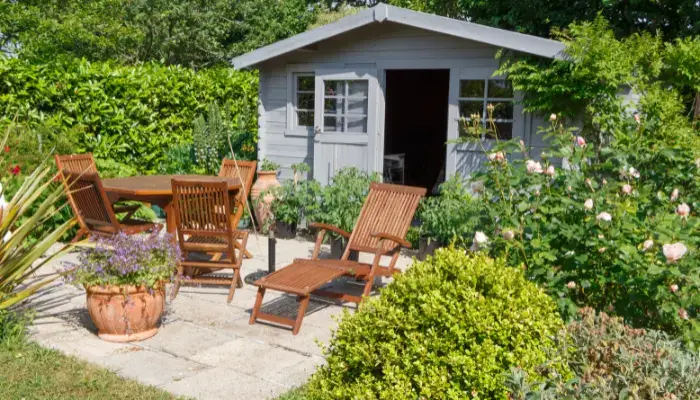
One of the simplest ways to introduce rustic charm to your backyard is to use reclaimed wood furniture. Old wood naturally develops textures and colours that new materials cannot replicate. The cracks, knots, and weathered grain create an authentic farmhouse aesthetic that instantly transforms your garden.
Reclaimed wood furniture can include benches, tables, chairs, and even garden swings. Many gardeners choose to build DIY seating areas using old pallets, barn wood, or salvaged lumber. These pieces often look more beautiful outdoors because their natural tones blend perfectly with greenery and flowers.
Another benefit of reclaimed wood furniture is sustainability. Instead of purchasing newly manufactured materials, you’re reusing existing resources. This reduces environmental impact and often results in unique, one-of-a-kind furniture pieces that can’t be found in stores.
To create a cosy seating corner, place a reclaimed-wood bench under a tree or a pergola. Add soft cushions, a woven blanket, and a few terracotta pots nearby. The combination of natural textures and comfortable seating instantly creates a peaceful garden retreat.
Rustic furniture also improves the functionality of your garden. It encourages you to spend more time outdoors—reading, relaxing, or entertaining friends. A simple wooden bench surrounded by flowers can turn an ordinary backyard into a charming countryside escape.
2 Vintage Wheelbarrow Planters
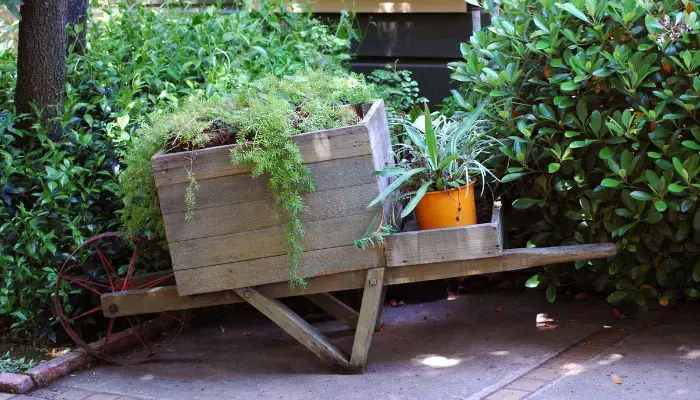
If you want a rustic focal point that feels both decorative and practical, consider turning a vintage wheelbarrow into a planter. Old wheelbarrows—especially wooden or rusted metal ones—have an unmistakable farmhouse character that fits perfectly into rustic gardens.
The concept is simple: fill the wheelbarrow with soil and plant colourful flowers, herbs, or trailing plants. Petunias, ivy, and sweet potato vines work particularly well because they spill over the sides, softening the structure.
One advantage of wheelbarrow planters is their mobility. Unlike fixed flower beds, you can move the wheelbarrow to different parts of the garden depending on the season or sunlight conditions. This flexibility allows you to refresh your garden layout without major changes.
Wheelbarrows also add visual interest by introducing height variation to your garden design. When surrounded by ground-level plants or low flower beds, the raised planter becomes a natural focal point.
To enhance the rustic look, consider lightly distressing the wheelbarrow with paint or leaving the metal to rust naturally. Add a few decorative touches, such as small garden tools or wooden signs, nearby. The result is a whimsical garden display that feels nostalgic and inviting.
3 Rustic Stone Pathways
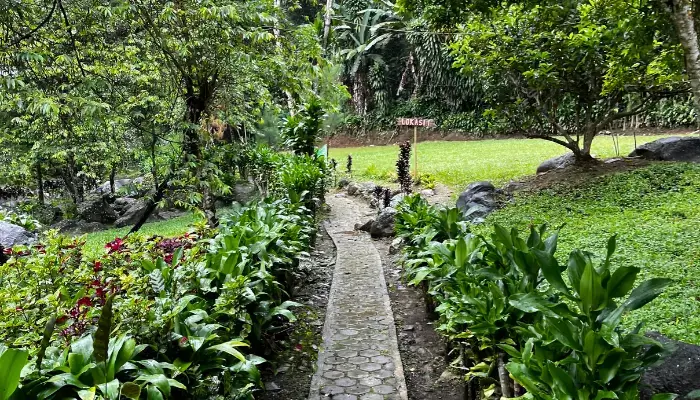
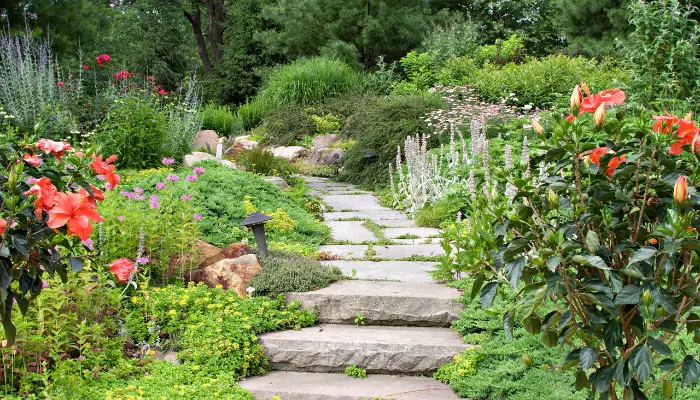
A rustic garden pathway does more than guide visitors through your backyard—it adds structure, texture, and storytelling to the landscape. Stone pathways are particularly effective because they blend beautifully with plants and soil while creating a natural, timeless appearance.
Rustic paths often use irregular stones, gravel, or reclaimed bricks rather than perfectly cut paving slabs. These materials create an organic, slightly uneven surface that feels authentic and relaxed. According to landscaping experts, reclaimed brick edging can even enhance property curb appeal due to its sustainable, classic appearance.
Stone pathways also help define different garden areas. For example, a winding path can lead visitors from the patio to a vegetable garden, seating area, or hidden flower bed. This sense of discovery makes the garden feel larger and more engaging.
To create a rustic pathway, place stones with small gaps between them, and allow moss or ground-cover plants to grow naturally in the spaces. Over time, the path becomes part of the landscape rather than an artificial addition.
Lighting can further enhance the effect. Small lanterns or solar lights placed along the path create a magical atmosphere during the evening. Walking along a softly lit stone pathway, surrounded by flowers, feels like stepping into a storybook garden.
4 Whiskey Barrel Planters
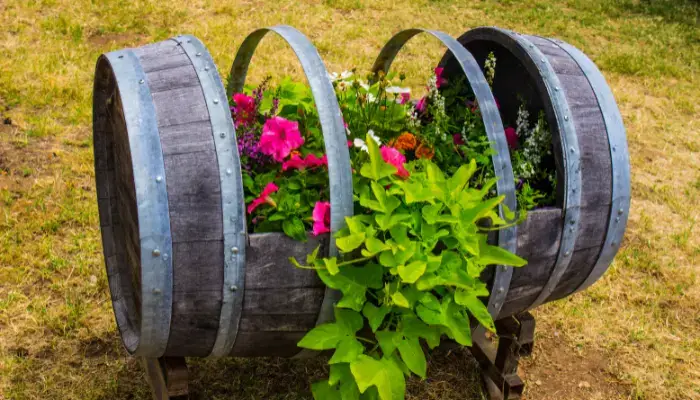
Whiskey barrel planters are a classic feature of rustic garden design. Their round wooden shape, metal bands, and aged texture instantly evoke the charm of countryside farms and vineyards.
Half barrels are especially popular because they offer plenty of space for plants while remaining manageable in size. Gardeners often use them to grow vegetables, herbs, or colourful flowers such as sunflowers, petunias, and geraniums.
Barrel planters work best when arranged in groups of different heights. For example, placing several barrels together with taller plants in the centre creates a layered, natural display that draws attention. This arrangement mimics the way plants grow in nature, with taller species rising above lower ones.
Another benefit of barrel planters is their excellent drainage and durability. The wood naturally allows airflow around the soil, helping roots stay healthy. With proper care and occasional sealing, barrel planters can last for many years outdoors.
They also serve as decorative anchors in the garden. A cluster of barrels filled with flowers can transform an empty corner into a vibrant focal point. When paired with wooden fences, stone paths, or vintage garden tools, they beautifully reinforce the rustic aesthetic.
5 Wooden Pergola with Climbing Plants
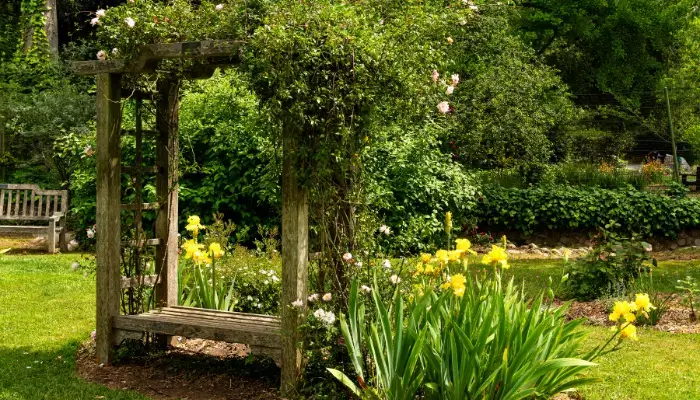
A wooden pergola is one of the most dramatic additions you can make to a rustic garden. Built from logs or weathered timber, a pergola creates height, structure, and a sense of enclosure within your outdoor space.
Pergolas are especially magical when covered with climbing plants such as wisteria, roses, or grapevines. As the plants grow and weave through the beams, they create a natural canopy that provides shade and beauty.
Beyond aesthetics, pergolas also serve a practical purpose. They define seating areas, outdoor dining spaces, or garden entrances. Walking under a vine-covered pergola feels like entering a secret garden room.
To enhance the rustic atmosphere, decorate the pergola with hanging lanterns, string lights, or flower baskets. Wooden furniture placed beneath creates a cosy retreat where you can relax on warm afternoons.
Over time, as vines mature and wood weathers, the pergola becomes a central feature of your garden—one that grows more beautiful with age.
6 Log Slice Stepping Stones
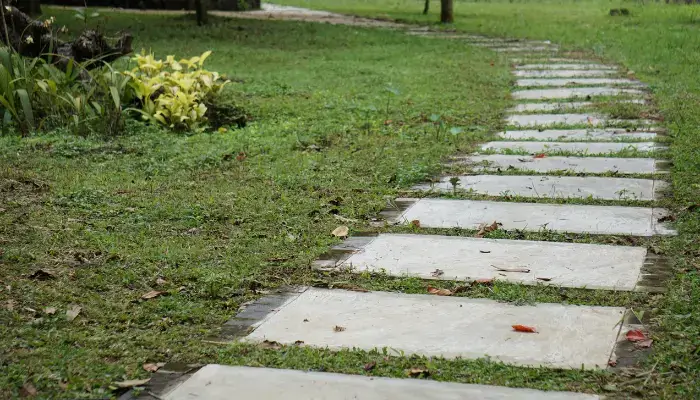
Log slice stepping stones are a creative and eco-friendly alternative to traditional garden paths. By cutting tree trunks into thick slices, you can create natural stepping stones that blend seamlessly with the surrounding landscape.
These wooden discs look particularly charming when placed along grassy pathways or between flower beds. Moss and small plants often grow around them, enhancing the rustic feel and making the path look as though it has existed for years.
Log stepping stones are also a sustainable gardening idea because they reuse fallen trees or leftover wood. Instead of discarding natural materials, you transform them into decorative features.
To ensure durability, treat the wood with weather-resistant sealant. This protects the slices from moisture while preserving their natural appearance.
The result is a whimsical pathway that feels organic and playful—perfect for rustic garden designs.
7 Rustic Garden Signs
Rustic garden signs add personality and storytelling to your backyard. Whether they label herb beds, welcome guests, or display inspirational quotes, these signs create a warm, inviting atmosphere.
Most rustic garden signs are made from reclaimed wood or driftwood. The wood can be painted, carved, or lettered to create unique designs.
For example, you might create signs such as:
- “Herb Garden”
- “Welcome to the Garden”
- “Bee Friendly Zone”
These small touches make your garden feel thoughtfully designed and personal.
Rustic signs also help organise larger gardens by identifying sections such as vegetable patches, flower beds, and seating areas. Visitors can easily navigate the space while enjoying its decorative details.
8 Vintage Lanterns and Metal Decor
Lighting plays a crucial role in creating a cosy garden atmosphere, and vintage lanterns are perfect for rustic decor. Old metal lanterns, oil lamps, or antique candle holders provide warm, soft lighting that transforms the garden after sunset.
Lanterns can be hung from tree branches, placed on wooden tables, or positioned along pathways. Their aged metal surfaces complement natural materials like wood and stone.
Rustic metal decor can include elements such as old watering cans, metal buckets, and decorative gates. These pieces add texture and contrast against greenery while reinforcing the vintage aesthetic.
When illuminated at night, lanterns create a magical ambience. The soft glow highlights plants, pathways, and seating areas, turning your garden into a relaxing evening retreat.
9 Wildflower Garden Corners
A wildflower garden corner is one of the most beautiful ways to enhance a rustic backyard. Instead of maintaining a perfectly trimmed lawn, many gardeners now dedicate sections of their yard to natural wildflower meadows.
Wildflowers create a colourful, slightly untamed landscape that feels authentic and vibrant. They also attract bees, butterflies, and other pollinators, supporting local ecosystems. Studies show pollinators visit wildflower areas far more frequently than traditional lawns.
Wildflower gardens require less maintenance than manicured lawns. Once established, many species reseed themselves naturally, returning year after year with minimal effort.
Combine wildflowers with rustic decor such as wooden fences, stone borders, or vintage birdhouses to create a charming countryside atmosphere.
10 DIY Birdhouses and Rustic Feeders
Adding birdhouses and feeders is a wonderful way to bring life into your rustic garden. Birds not only enhance the beauty of the space but also help control insects and support the local ecosystem.
Rustic birdhouses are typically made from reclaimed wood or natural branches. Simple designs with small roofs and entrance holes blend perfectly into garden landscapes.
You can hang birdhouses from trees, attach them to wooden posts, or mount them on garden fences. Over time, birds may begin nesting in them, creating a lively and dynamic environment.
Bird feeders made from vintage teacups, mason jars, or wooden boxes add even more charm. Watching birds gather in your garden brings a sense of calm and connection to nature.
Conclusion
Rustic garden decor is all about creating a space that feels natural, welcoming, and full of personality. By combining reclaimed materials, vintage items, and organic landscaping, you can transform an ordinary backyard into a charming countryside retreat.
Ideas like reclaimed-wood furniture, wheelbarrow planters, stone pathways, barrel containers, pergolas, wildflowers, and birdhouses help create a layered garden environment that evolves beautifully over time.
The true magic of rustic gardening lies in creativity. Instead of striving for perfection, embrace imperfections and reuse materials that tell a story. Your garden will feel authentic, relaxed, and uniquely yours.
Frequently Asked Questions
What defines a rustic garden style?
A rustic garden focuses on natural materials, vintage items, and organic planting styles. It often includes wood, stone, wildflowers, and reclaimed objects that create a countryside atmosphere.
What plants work best in rustic gardens?
Wildflowers, climbing roses, lavender, sunflowers, ivy, and herbs are excellent choices because they create a natural, slightly untamed look.
Is rustic garden decor expensive?
Not necessarily. Many rustic elements use recycled materials such as old wood, barrels, ladders, and metal tools, making it one of the most budget-friendly garden design styles.
How can I make a small garden look rustic?
Use vertical planters, wooden crates, vintage lanterns, and small stone pathways to create a rustic feel even in compact spaces.
Are rustic gardens environmentally friendly?
Yes. Rustic gardens often use reclaimed materials, natural landscaping, and pollinator-friendly plants, making them sustainable and beneficial for wildlife.