
Why Cats Are Attracted to Gardens
Natural Instincts and Behaviour
Ever wondered why your carefully maintained garden suddenly becomes a playground for neighbourhood cats? It’s not personal—it’s instinct. Cats are naturally drawn to soft soil because it mimics their preferred environment for digging and burying waste. A freshly turned flower bed is basically an open invitation. From a cat’s perspective, your garden is like a luxury spa—soft, warm, and full of interesting smells.
Cats are also territorial creatures. They roam and mark spaces to establish dominance. Your garden might sit right in the middle of their “claimed” area, making it a regular stop on their daily patrol route. Add in the presence of insects, birds, or even small rodents, and suddenly your peaceful green space turns into a hunting ground.
Another factor is comfort. Gardens provide shade during hot days and warmth when the soil retains heat. If your garden has cosy nooks or dense plants, it becomes an irresistible resting place. Understanding these behaviours isn’t just interesting—it’s the key to keeping cats away without harming them.
Garden Features That Attract Cats
Certain elements in your garden unknowingly act like magnets for cats. Loose soil is the biggest culprit, but that’s not all. Compost piles, mulch beds, and sand patches are also extremely attractive because they’re easy to dig into. Cats love areas where they can hide or feel secure, so dense shrubs and low hedges can become their favourite hangouts.
Water features, like small ponds or fountains, also draw cats in. They’re curious creatures, and moving water can instantly catch their attention. Additionally, if your garden attracts birds or butterflies, you’re indirectly inviting cats too. They see it as a buffet.
Even the layout matters. Gardens with quiet corners and minimal human activity are more appealing. If your outdoor space feels safe and undisturbed, cats will keep coming back. Recognising these triggers helps you redesign your garden so it’s less inviting to feline visitors.
Problems Caused by Cats in Gardens
Damage to Plants and Soil
If you’ve ever walked into your garden and found your plants uprooted or soil scattered everywhere, you’re not alone. Cats digging in flower beds can damage roots, disturb seedlings, and even kill young plants. It’s frustrating, especially when you’ve invested time and effort into nurturing your garden.
Repeated digging compacts the soil over time, making it harder for plants to grow. It also disrupts the soil’s natural structure, affecting drainage and nutrient absorption. Delicate plants are especially vulnerable, and even a single visit from a cat can undo weeks of work.
Another issue is trampling. Cats don’t exactly tiptoe around your plants. They walk, sit, and sometimes even nap on them, flattening leaves and breaking stems. Over time, this constant disturbance can leave your garden looking neglected and unhealthy.
Health and Hygiene Concerns
Beyond physical damage, cats can create serious hygiene issues. Their waste contains bacteria and parasites that can contaminate soil. This is particularly concerning if you grow vegetables or herbs. Imagine harvesting fresh produce only to realise it’s been exposed to harmful pathogens.
The smell is another problem. Cat urine has a strong, lingering odour that’s hard to remove. It can make your garden unpleasant to spend time in. In addition, cat faeces can attract flies and other pests, creating a cycle of unwanted visitors.
For families with children, the risks are even higher. Kids playing in the garden may unknowingly come into contact with contaminated soil. That’s why it’s essential to address the issue quickly and effectively, using safe and humane methods.
Understanding Cat Behaviour for Effective Prevention
Territorial Marking
Cats use scent to communicate. When they mark your garden, they’re essentially leaving a message for other cats: “This is my territory.” This behaviour is deeply ingrained and won’t stop on its own. Once a cat claims your garden, it will likely return repeatedly.
This is why simply removing one cat doesn’t always solve the problem. Another may take its place. To break the cycle, you need to make your garden less appealing overall. That means addressing the factors that initially attract them.
Digging and Littering Habits
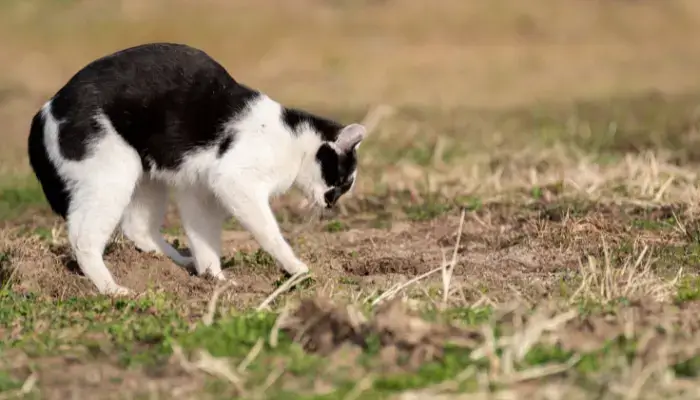
Cats instinctively bury their waste. Soft soil provides the perfect medium for this behaviour. If your garden offers an ideal digging spot, it becomes their go-to litter box. This habit is difficult to change, but you can redirect it by making the soil less inviting.
Adding rough textures, such as bark, stones, or pinecones, can discourage digging. Cats prefer smooth surfaces, so anything uncomfortable under their paws can deter them. It’s all about creating an environment that doesn’t meet their needs.
Natural and Humane Ways to Keep Cats Away
Using Scent-Based Deterrents
Cats have a strong sense of smell, and certain scents can repel them instantly.
Citrus scents are particularly effective. Orange and lemon peels scattered around your garden can keep cats at bay. Coffee grounds are another excellent option—they’re eco-friendly and double as fertiliser. Vinegar sprays can also work, though you should avoid applying them directly to plants.
Essential oils like lavender or rosemary can be diluted and sprayed around the garden. These smells are pleasant for humans but unpleasant for cats. The key is consistency. Reapply regularly, especially after rain.
Planting Cat-Repelling Plants
Some plants naturally repel cats due to their strong aroma.

Lavender, rosemary, and rue are popular choices. There’s also a plant known as the “scaredy cat plant” (Coleus canina), which is specifically grown to deter cats. These plants not only protect your garden but also enhance its beauty.
Plant them around the edges or near areas where cats frequently visit. Over time, they create a natural barrier that discourages entry.
Physical Barriers That Work
Garden Netting and Fencing
If you want a reliable solution, physical barriers are hard to beat. Netting can protect flower beds, while low fences can keep cats out of certain areas. The idea isn’t to trap them but to make access difficult.


Raised beds with mesh covers are especially effective. They protect plants while still allowing sunlight and water through. You can also use chicken wire just beneath the soil surface to prevent digging.
Mulching Techniques
Mulching isn’t just for moisture retention—it can also deter cats. Use materials like bark, gravel, or pinecones to create an uncomfortable surface. Cats prefer soft soil, so rough textures will encourage them to look elsewhere.
This method is simple, affordable, and highly effective when combined with other strategies.
DIY Cat Repellent Solutions
Homemade Sprays
You don’t need expensive products to keep cats away. A simple homemade spray can do wonders. Mix water with citrus juice or vinegar and spray it around problem areas. It’s safe, easy, and cost-effective.
Another option is a garlic-based spray. Cats dislike the strong smell, making it an effective deterrent. Just be careful not to overuse it, as it can affect nearby plants.
Household Items That Repel Cats
Common household items can be surprisingly effective. Aluminium foil, for example, creates a texture and sound that cats hate. Placing it around plants can keep them away. Plastic bottles filled with water are another traditional trick, though results may vary.

The goal is to create an environment that feels unfamiliar and uncomfortable for cats without causing harm.
Commercial Cat Repellents
Ultrasonic Devices
Modern problems sometimes need modern solutions. Ultrasonic devices emit high-frequency sounds that humans can’t hear, but cats find irritating. These devices are motion-activated, making them energy-efficient.
They’re ideal for larger gardens or areas with frequent cat visits. Installation is simple, and they require minimal maintenance.
Granules and Sprays


Commercial repellents come in various forms, including granules and sprays. They’re designed to be long-lasting and weather-resistant. While they can be effective, it’s important to choose pet-safe options.
Always read labels carefully to ensure they won’t harm wildlife or your plants.
Water-Based Deterrents
Motion-Activated Sprinklers
Cats dislike sudden bursts of water. Motion-activated sprinklers take advantage of this by spraying water when movement is detected. It’s harmless but highly effective.
Over time, cats learn to avoid the area altogether. This method works well for persistent problems and larger spaces.
Training and Community Solutions
Talking to Neighbours
Sometimes, the cats visiting your garden belong to someone nearby. A friendly conversation can go a long way. Let your neighbours know about the issue and work together to find a solution.
Encouraging Responsible Pet Ownership
Encourage pet owners to keep their cats indoors or provide designated outdoor spaces. Community awareness can significantly reduce the problem.
Mistakes to Avoid When Deterring Cats
Harmful Chemicals
It might be tempting to use strong chemicals, but this can harm cats, plants, and even humans. Avoid toxic substances at all costs. The goal is to deter, not injure.
Conclusion
Keeping cats out of your garden doesn’t require harsh measures or constant frustration. By understanding their behaviour and combining natural deterrents, physical barriers, and modern solutions, you can effectively protect your plants. Think of it as redesigning your garden from a cat’s perspective—remove what attracts them and add what repels them.
Consistency is the secret. No single method works overnight, but combining several approaches creates a powerful defence. With a little patience and creativity, you can enjoy a thriving, cat-free garden without harming any animals.
Frequently Asked Questions
What smell do cats hate the most in gardens?
Cats strongly dislike citrus scents, vinegar, and certain essential oils, such as lavender and eucalyptus.
Are coffee grounds effective for keeping cats away?
Yes, coffee grounds are a natural deterrent and also improve soil quality.
Do ultrasonic repellents really work?
They can be effective, especially for persistent cats, but results may vary depending on the environment.
How do I stop cats from using my garden as a litter box?
Use rough mulch, scent deterrents, and physical barriers to make the soil less appealing to pests.
Is it safe to use vinegar in the garden?
Yes, but avoid spraying it directly on plants as it can damage them.