Understanding Natural Pest Control
What Is Natural Pest Control?
Natural pest control manages unwanted insects and garden invaders without harsh chemicals. Rather than spraying synthetic solutions that can hurt the environment, you use eco-friendly techniques, beneficial insects, and homemade remedies to support your garden. Working with nature instead of against it, this approach focuses on creating a balanced ecosystem where pests don’t get out of control, rather than eliminating every insect.
In the UK, with weather that shifts from damp to mild, pests like slugs and aphids are common. Natural pest control reduces their numbers while protecting important pollinators such as bees and butterflies. This method matters because chemical pesticides have been associated with declining insect populations, which in turn affect crop yields and biodiversity.
Natural pest control stands out for its accessibility. You don’t need special equipment or expensive products. Basic ingredients like garlic, soap, or coffee grounds can be excellent tools in your garden. The key is using what you have and understanding how nature operates.
Why It’s Gaining Popularity in UK Gardens
More UK gardeners are switching to natural pest control as awareness of environmental sustainability grows. With growing concern over climate change and biodiversity loss, people are seeking ways to make their gardens more eco-friendly. Natural pest control fits perfectly into that mindset.
Another reason for its popularity is safety. Traditional pesticides can leave harmful residues on fruits and vegetables, posing risks to both humans and pets. Using natural methods ensures your garden remains a safe space for your family. It’s especially appealing if you grow your own food, as you can harvest with confidence knowing it’s free from harmful chemicals.
There’s also a financial angle. Chemical pesticides can be expensive, especially when used regularly. Natural methods, on the other hand, often rely on low-cost or homemade solutions. Over time, this can significantly reduce your gardening expenses while delivering equally effective results.
Common Garden Pests in the UK
Aphids, Slugs, and Caterpillars
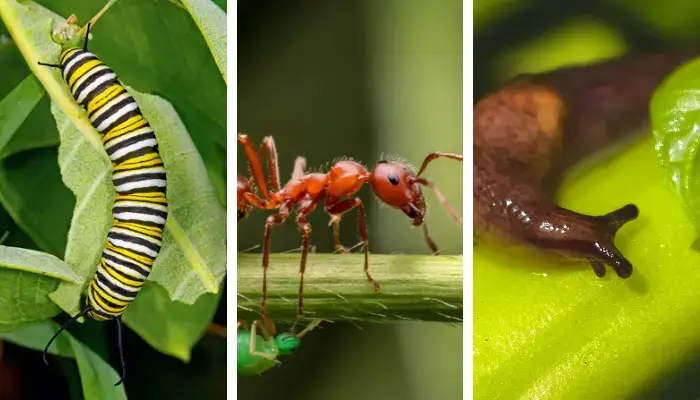
If you’ve ever walked into your garden and noticed tiny insects clustering on your plants, chances are you’ve encountered aphids. These small pests feed on plant sap and can quickly weaken your plants. Slugs, on the other hand, are notorious for chewing through leaves overnight, leaving behind ragged holes that can ruin your hard work.
Caterpillars may seem harmless, but they can eat through entire plants in just days. These pests thrive in the UK’s mild climate, so gardeners often face these challenges. The important thing is not to panic but to learn about their behavior. When you understand how they operate, you can manage them effectively without chemicals.
These pests belong in the natural ecosystem. Trying to eliminate them is unrealistic and counterproductive. Instead, control their population so your plants flourish.
Identifying Pest Damage Early
Spot pest damage early to save your garden from serious harm. Watch for yellowing leaves, holes in foliage, or sticky residues on plants. These signs often indicate the presence of pests. Detect problems early so you can act before issues escalate.
Inspect your garden regularly. Spend a few minutes each day checking your plants, especially the undersides of leaves where pests like to hide. This habit helps you catch issues early and build a deeper connection with your garden.
Benefits of Natural Pest Control
Environmental Advantages
Natural pest control protects the environment. Chemical pesticides contaminate soil and water, harm wildlife, and disrupt ecosystems. When you choose natural methods, you reduce this impact and support a healthier environment.
Pollinators like bees are particularly vulnerable to chemical pesticides. Since these insects are essential for plant reproduction, protecting them is critical. Natural pest control helps keep your garden a safe haven for these important creatures.
Health Benefits for Gardeners and Families
Natural pest control also improves your health. You avoid toxic chemicals that cause skin irritation, respiratory issues, and other problems. This matters even more if your children or pets spend time in the garden.
Eating homegrown produce treated naturally is another benefit. You enjoy fresh fruits and vegetables without concern for chemical residues. It’s a direct way to improve well-being.
Preventative Gardening Techniques
Soil Health and Plant Strength
Build healthy soil as the foundation for a pest-resistant garden. When you enrich soil with nutrients, your plants grow stronger and better withstand pest attacks. Think of this as giving your plants a strong immune system.
Add compost, organic matter, and natural fertilizers to improve your soil. This practice not only boosts plant growth but also encourages beneficial microorganisms to keep pests in check.
Companion Planting Basics
Companion planting is a clever technique where certain plants are grown together to repel pests or attract beneficial insects. For example, planting marigolds near vegetables can deter pests like aphids.
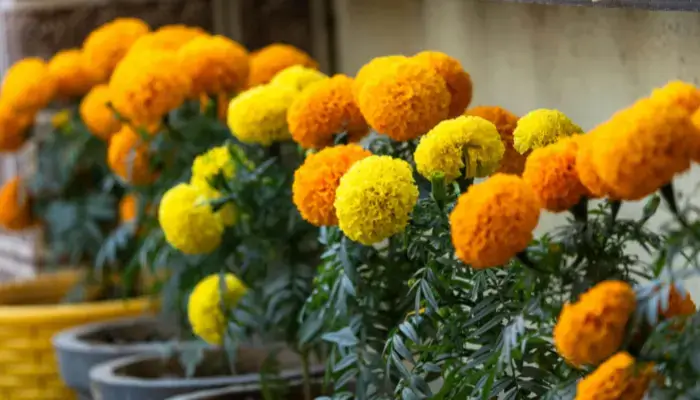
This method works because different plants release natural chemicals that influence insect behavior. By strategically placing plants, you create a natural defense system that reduces the need for intervention.
Encouraging Beneficial Insects
Ladybirds and Lacewings
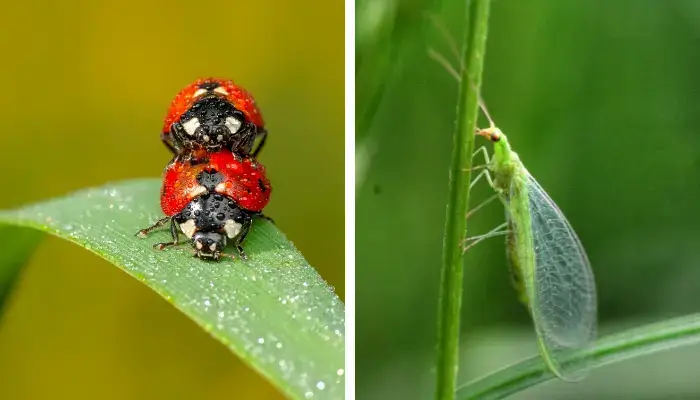
Not all insects are enemies. Ladybirds and lacewings are natural predators that feed on pests like aphids. Encouraging these insects in your garden can significantly reduce pest populations.
Attract them by planting flowers like daisies and fennel. Provide habitats for beneficial insects to improve your pest control.
Creating a Pollinator-Friendly Garden
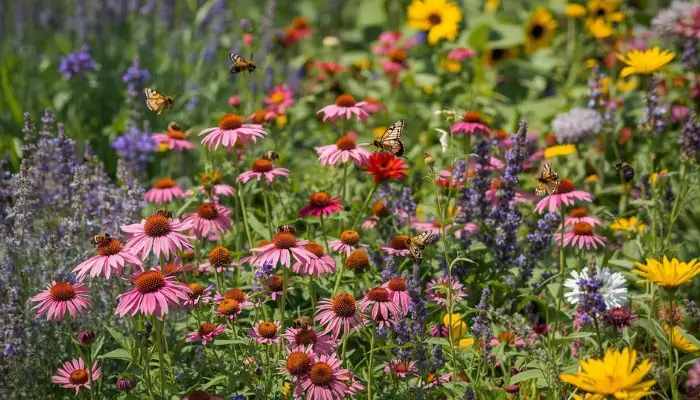
A pollinator-friendly garden is not only beautiful but also functional. By planting a variety of flowers, you attract bees, butterflies, and other beneficial insects. This creates a balanced ecosystem where pests are less likely to dominate.
Homemade Natural Pest Remedies
Garlic Spray and Soap Solutions
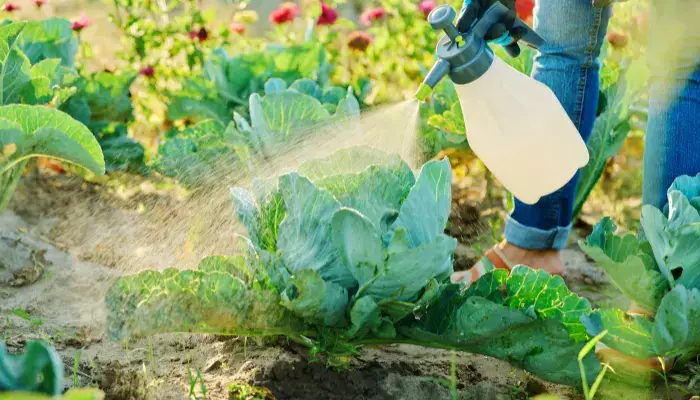
Homemade sprays are simple yet effective. A garlic spray, for instance, can repel a wide range of pests. Similarly, a mild soap solution can suffocate insects like aphids without harming plants.
These remedies are easy to prepare and cost-effective, making them ideal for beginners.
Neem Oil and Essential Oils
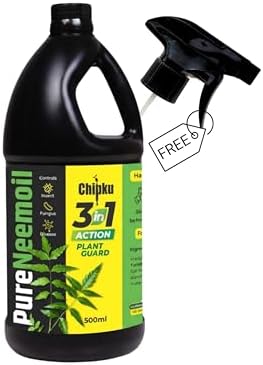
Neem oil is a popular natural pesticide derived from the neem tree. It disrupts the pest life cycle, preventing reproduction. Essential oils like peppermint and eucalyptus can also repel insects.
Physical Pest Control Methods
Barriers and Nets

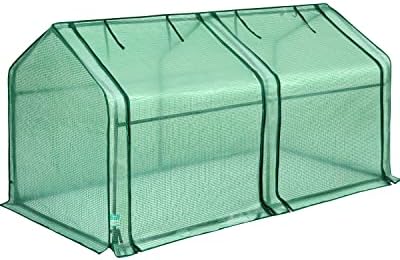
Physical barriers, such as nets and cloches, can protect plants from pests. These methods are particularly useful for preventing damage from birds and larger insects.
Handpicking and Traps
Handpick pests—even though it sounds tedious, you can use this method effectively in small gardens. Set traps to capture pests without harming other insects.
Organic Store-Bought Solutions
What to Look for in Organic Products
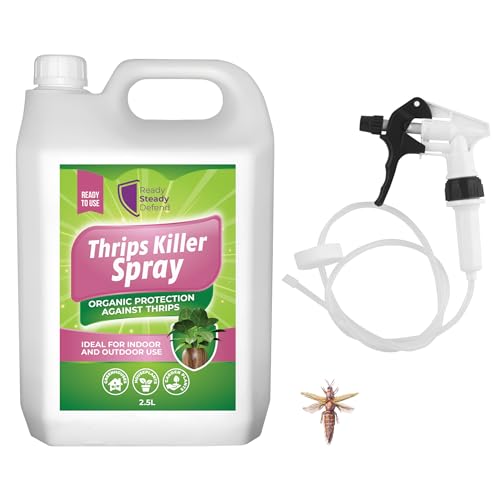
When choosing organic products, look for certifications that ensure they are safe and environmentally friendly. Avoid products with hidden chemicals.
Comparing Popular Options
| Neem Oil | High | Medium | Easy |
| Soap Spray | Medium | Low | Very Easy |
| Organic Pellets | High | Medium | Easy |
Seasonal Pest Control Tips
Spring and Summer Strategies
During warmer months, pests are more active. Regular monitoring and early intervention are key to keeping them under control.
Autumn and Winter Preparation
Preparing your garden in colder months helps prevent pest problems in the next season. Clean up debris and protect soil health.
Mistakes Beginners Should Avoid
Overusing Natural Sprays
Even natural solutions can harm plants if you overuse them. Always follow recommended guidelines.
Ignoring Ecosystem Balance
Trying to eliminate all insects can backfire. A balanced ecosystem is the goal, not total eradication.
Conclusion
Natural pest control in UK gardens isn’t just a trend—it’s a smarter, safer, and more sustainable way to grow plants. By understanding your garden’s ecosystem, encouraging beneficial insects, and using simple remedies, you can keep pests under control without harming the environment. It’s about patience, observation, and working with nature rather than fighting it.
Affiliate Disclosure
This article contains affiliate links. If you purchase through these links, we may earn a small commission at no extra cost to you. This helps support our website and allows us to continue providing helpful content.

Frequently Asked Questions
Is natural pest control effective for all garden pests?
Natural methods are effective against most common pests, though severe infestations may require a combined approach.
How often should I apply natural pest sprays?
Typically, once a week or after rain, depending on the severity of the problem.
Are natural pest control methods safe for pets?
Yes, most natural methods are pet-safe, but always check specific ingredients.
Can I use kitchen ingredients for pest control?
Absolutely. Garlic, vinegar, and soap are commonly used in homemade solutions.
How long does it take to see results?
Results can appear within a few days, but consistent application is key for long-term success.