What Are Aphids and Why Are They a Problem
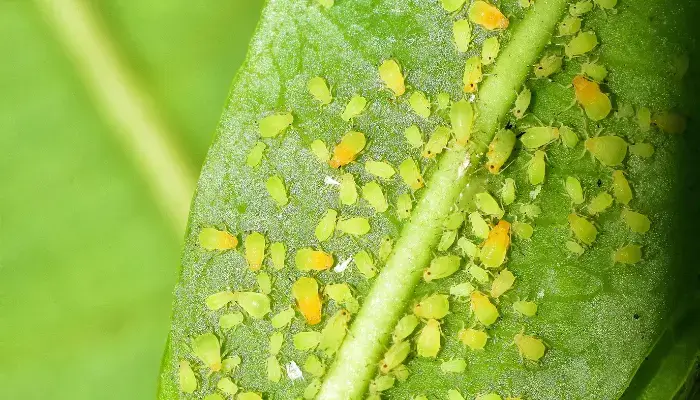
Aphids—often called greenfly or blackfly—are tiny sap-sucking insects that can quietly take over your garden before you even notice them. In the UK alone, there are over 500 species of aphids, meaning virtually every plant in your garden is a potential target. These pests thrive particularly during spring and summer, when plants produce fresh, tender growth that aphids love to feast on. If you’ve ever spotted clusters of tiny green or black insects gathering on stems or under leaves, you’ve already encountered them.
What makes aphids especially frustrating is how quickly they reproduce. They don’t just multiply—they explode in numbers. A single infestation can rapidly turn into a full-blown attack, leaving your plants weakened and struggling. Aphids feed by sucking sap—the plant’s lifeblood—causing distorted leaves, stunted growth, and sticky residue called honeydew. This honeydew can attract ants and lead to the growth of black mould, making your plants look unhealthy and neglected.
Warmer UK weather has increased aphid populations, making them a major concern for gardeners. The good news: you don’t need harsh chemicals. Nature offers effective solutions.
Why Natural Methods Are Better Than Chemicals
It’s tempting to reach for a quick chemical spray when you see aphids crawling all over your plants. After all, you want results fast, right? But here’s the catch—most pesticides don’t just kill aphids. They also wipe out beneficial insects, damage soil health, and disrupt your garden’s natural ecosystem. According to experts, using pesticides can actually reduce biodiversity and harm the very predators that naturally help control aphids.
Think of your garden as a miniature ecosystem, with each organism playing a role. Chemicals disrupt this balance, sometimes causing even more pest problems later. Methods, on the other hand, work with nature instead of against it. They’re safer for your plants, your soil, and even your health. Plus, they tend to be more sustainable. Once you establish a healthy garden ecosystem, it can often regulate itself. That means fewer infestations and less work for you over time.
Method 1 – Encourage Natural Predators
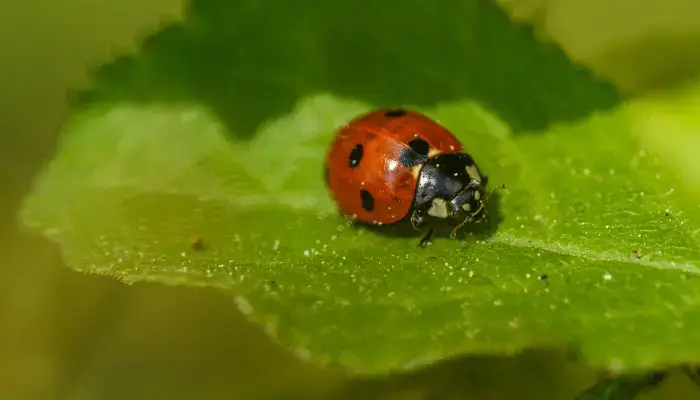
Let nature help control aphids. Many beneficial insects, like ladybirds, hoverflies, and lacewings, feed on aphids and can wipe out colonies for you. For example, they are like the superheroes of the garden world. A single ladybird can eat dozens of aphids in a day. Hoverfly larvae are just as effective, quietly consuming aphids while you barely notice them at work. According to gardening experts, these predators often naturally reduce aphid populations by mid-summer, once their numbers increase.
So how do you attract them? It’s simpler than you think. Plant flowers like marigolds, dill, and fennel to attract them. Avoid pesticides that might harm them. And consider adding small habitats, such as insect hotels or log piles. Over time, your garden becomes a welcoming environment for these helpful allies.
Method 2 – Spray with Soapy Water
If you’re using a soapy water spray, it can quickly control aphids. It breaks down their outer layer, dehydrating and killing them. You can make it with household ingredients. Wet the drops of mild liquid soap with water in a spray bottle, then apply it directly to the affected areas. Focus on the undersides of leaves, where aphids tend to hide. It’s quick, affordable, and doesn’t involve harsh chemicals.
That said, use soapy water sparingly; overuse can harm plants or beneficial insects. Treat only as needed—this is a targeted, emergency solution.d 3 – Use Neem Oil.
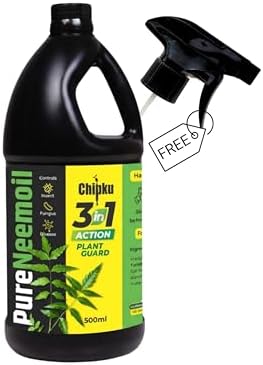
Neem oil is like nature’s all-in-one pest control solution. Extracted from the neem tree, it disrupts aphid feeding and reproduction. Unlike chemical pesticides, it doesn’t kill instantly but gradually reduces the population.
Apply neem oil in the early morning or late evening to avoid harming pollinators. Mix it with water as directed and spray it evenly over your plants. It’s especially effective for persistent infestations.
What makes Neem oil versatile? It targets aphids and controls other pests like mites and whiteflies, supporting garden health.d 4 – Blast Aphids with Water.
Sometimes,A strong water jet can knock aphids off plants. They’re weak and often can’t return after being washed away. HOD is particularly useful for early infestations. Do it in the morning so plants have time to dry during the day. Repeat every few days until the problem is under control.
Think of this as a reset. You remove, not kill, aphids. Combine with predators for low aphid numbers.d 5 – Plant Companion Plants.
Companion planting naturally repels aphids. Some plants’ scents make your garden less attractive to them. The best options include:
- Garlic
- Onions
- Chives
- Mint
- Marigolds
These planThese plants create a barrier, confusing aphids and keeping them away. Many also attract beneficial insects, providing extra support in establishing a natural defence system. Instead of reacting to infestations, you’re preventing them before they even start.
Method 6 – Remove by Hand
Manually removing aphids is quick for small infestations. Squash them or wipe them away with a cloth. Recommend checking your plants regularly so you can act early before the population grows. Focus on new growth and the undersides of leaves, where aphids tend to gather.
This method is especially useful for beginners. It’s simple, effective, and lets you closely monitor your plants’ health.
Method 7 – Control Ants in the Garden
Here’s something many gardeners don’t realise—ants actually protect aphids. They feed on the honeydew that aphids produce and, in return, defend them from predators. It’s a mutually beneficial relationship, but not one you want in your garden.
If you see ants on your plants, aphids are likely nearby. Control ants to make your garden less inviting to aphids. Methods like removing ant nests, using barriers, or keeping plants clean can make a big difference. Break the partnership, and you weaken the aphids’ defences.
Preventing Aphids in the Future
Prevention is always better than a cure. Healthy plants are naturally more resistant to pests, so focus on improving soil quality, proper watering, and adequate nutrient supply.
Regularly inspect plants often to catch aphids early. A balanced garden may have some aphids, but that’s normal. By creating a healthy, diverse ecosystem, you’re setting up your garden for long-term success.
Conclusion
Stay consistent: observe your plants daily, act as soon as you spot aphids, encourage natural predators, and try homemade remedies quickly. By taking these steps, you’ll strengthen your garden and manage aphid outbreaks more easily over time.
Frequently Asked Questions
Do aphids kill plants?
Not usually. While they can weaken plants and cause distorted growth, they rarely kill established plants.
When are aphids most active in the UK?
They are most active during spring and summer when temperatures are warm and plants produce new growth.
Can I use vinegar to kill aphids?
Vinegar can harm plants, so it’s not recommended. Stick to safer options like soapy water or neem oil.
How fast do aphids spread?
Very quickly. They reproduce rapidly, which is why early intervention is important.
Are aphids completely bad for gardens?
Not entirely. They are part of the ecosystem and serve as food for beneficial insects.