Why Natural Pest Control Matters in the UK
Pest Problems on the Rise in British Gardens
If you’ve ever noticed your plants covered in bugs in spring, you’re not alone. Increasing pest problems in UK gardens aren’t just bad luck. Warmer temperatures and shifting weather create ideal conditions for pests such as aphids, slugs, and caterpillars. Reports note over 500 UK aphid species that are more active due to climate shifts.
These pests may look harmless, but they quickly overwhelm plants, sucking sap, spreading disease, and leaving sticky residue that attracts more pests. Gardeners often report overnight infestations that transform healthy plants into strugglers. Having a reliable pest control strategy is essential for a thriving garden.
Natural pest sprays offer a powerful first line of defence without introducing harsh chemicals into your outdoor space. This approach means working alongside nature rather than against it, which captures the essence of gardening.
Environmental Benefits of Going Natural
Switching to DIY natural pest sprays saves your plants and protects your garden ecosystem. Chemical pesticides act as a double-edged sword, killing pests but also harming beneficial insects like ladybirds, bees, and hoverflies—key to natural pest control.
Natural pest control focuses on balance. Research suggests encouraging beneficial insects lowers pest numbers over time. Homemade sprays with garlic, soap, or neem oil target pests without affecting the food chain.
It’s like pruning a problem, not bulldozing. The result: healthier soil, stronger plants, and a self-sustaining garden with minimal effort.
Common Garden Pests in the UK
Aphids and Their Impact
Aphids are easily the most notorious garden pests in the UK—and for good reason. These tiny, soft-bodied insects multiply rapidly, forming dense colonies on leaves and stems. They feed by sucking sap from plants, weakening them and causing distorted growth.
You might notice curled leaves, yellowing, or a sticky substance called honeydew on your plants. That honeydew can lead to mould growth, creating even more issues. Aphids are also known carriers of plant viruses, making them particularly dangerous to vegetables and ornamental plants alike.
The real challenge? They spread fast. One day, you see a few, and the next, your entire plant is covered. That’s where DIY sprays come in handy—they act quickly and can be reapplied safely without damaging your garden.
Slugs, Caterpillars, and Other Invaders
Aphids aren’t alone. Slugs, caterpillars, whiteflies, and beetles can devastate gardens. Slugs, especially in wet weather, can destroy seedlings overnight, leaving holes and slime in their wake.
Caterpillars chew leaves like tiny lawnmowers, while whiteflies hover and spread disease. Pest waves vary with weather and plant types.
No single pest solution fits all. Having multiple DIY sprays for different pests is crucial for garden management.
How DIY Natural Pest Sprays Work
Contact vs Repellent Sprays
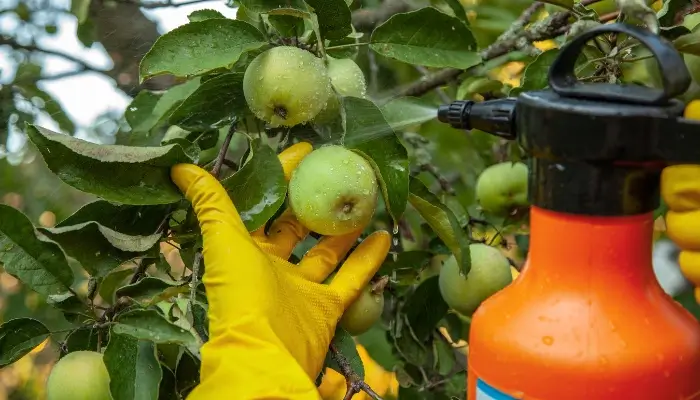
DIY pest sprays generally fall into two categories: contact sprays and repellent sprays. Contact sprays work immediately by killing pests upon direct contact with the solution. Soap sprays are a classic example—they break down the outer layer of insects, causing them to dehydrate.
Repellent sprays, on the other hand, act more like a deterrent. Ingredients like garlic, chilli, and essential oils create smells and tastes that pests simply can’t tolerate. It’s like putting up a “No Entry” sign for insects.
Knowing the difference helps you choose wisely. For infestations, use contact sprays. To prevent pests, use repellent sprays.
Role of Natural Ingredients
Natural ingredients are not just safer—they work well. Garlic repels insects, neem oil disrupts their life cycle, and soap kills soft-bodied pests.
These ingredients are powerful and simple. You don’t need special skills or expensive tools—just common items from your kitchen or shed.
Essential Ingredients for Homemade Sprays
Kitchen Staples You Already Have
You’d be surprised how many pest control solutions are hiding in your kitchen. Everyday items like garlic, onions, chilli peppers, and dish soap can be transformed into effective sprays.
These ingredients are affordable and easy to find, perfect for quick fixes. They’re biodegradable and safe for soil and water.
Garden-Based Ingredients
Your garden offers pest-fighting tools. Herbs like mint, rosemary, and lavender repel insects. Even weeds like nettles can be used to create nutrient-rich sprays that boost plant health while deterring pests.
Using garden ingredients improves sustainability and turns your space into a self-sufficient ecosystem.
Top DIY Natural Pest Spray Recipes
Garlic Spray for General Protection
Garlic spray is like the Swiss Army knife of natural pest control. To make it, blend two bulbs of garlic with water, strain the mixture, and dilute it before spraying it on plants.
The strong smell repels pests and confuses them, making it ideal for general use. It’s particularly effective against aphids, beetles, and caterpillars.
Soap Spray for Aphids
Soap spray is one of the simplest and most effective ways to control aphids. Mix a few drops of liquid soap with water and spray directly onto affected areas.
Soap breaks down insects’ coatings, causing dehydration and death. It’s fast, effective, and safe for most plants if used correctly.
Neem Oil Spray for Multi-Purpose Use
Neem oil is a powerhouse ingredient. It kills pests and disrupts their life cycle, stopping future infestations.
Mix neem oil with water and a small amount of soap to emulsify, then spray it onto plants. It works against a wide range of pests, including whiteflies, mites, and aphids.
Chilli Pepper Spray for Strong Infestations
For stubborn pests, chilli pepper spray packs a punch. Blend chilli peppers with water, strain, and spray on plants.
The capsaicin in chilli peppers irritates pests, driving them away. It’s especially useful for deterring larger insects and even some animals.
How to Apply Natural Pest Sprays Effectively
Best Times to Spray
Timing matters more than you might think. Spraying early morning or late evening helps prevent leaf burn and improves absorption.
Avoid spraying at midday to prevent plant damage. Ensure there’s no rain expected or sprays may wash away.
Frequency and Dosage Tips
Be consistent. Natural sprays are less potent than chemical sprays, so apply them every few days until pests are gone.
Always test a small area first to ensure the spray doesn’t harm your plants.
Natural Pest Prevention Strategies
Companion Planting Techniques
Companion planting is your garden’s matchmaking. Some plants repel pests or attract helpful insects.
Marigolds deter nematodes. Basil and mint repel flies and mosquitoes.
Encouraging Beneficial Insects
Not all insects are pests. Ladybirds, hoverflies, and lacewings feed on pests. Encouraging them can cut pest populations over time.
Grow diverse plants and avoid chemicals to help beneficial insects thrive.
Pros and Cons of DIY Pest Sprays
| Eco-friendly and safe | Requires frequent application |
| Cost-effective | Slower results than chemicals |
| Easy to make | May need trial and error |
| Protects beneficial insects | Not always effective for severe infestations |
Comparing Natural vs Chemical Pest Control
Natural control aims for long-term balance. Chemicals offer quick fixes but can disrupt ecosystems and cause more problems later.
Natural methods build garden resilience, reducing dependence on external inputs.
Safety Tips When Using Homemade Sprays
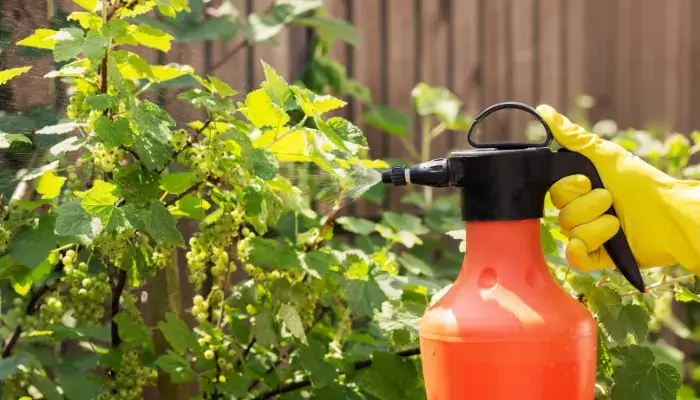
Even natural sprays need to be used carefully. Always wear gloves, avoid spraying on windy days, and keep mixtures out of reach of pets and children.
Label and store sprays properly to prevent accidents.
Conclusion
DIY natural pest sprays are practical, sustainable solutions for UK gardeners. With rising pest problems and environmental concerns, natural methods simply make sense.
Simple ingredients and knowing pests help you protect your garden safely. Work smarter, not harder—let nature help.

Frequently Asked Questions
Are DIY pest sprays safe for all plants?
Most are safe, but test a small area first to avoid damage.
How often should I apply natural sprays?
Apply every 3–5 days or after rain for best results.
Can natural sprays completely eliminate pests?
They reduce pest populations but may not eliminate them entirely.
What is the best spray for aphids?
Soap spray is one of the most effective and easiest solutions.
Do natural sprays harm beneficial insects?
Generally, no, especially when applied carefully and selectively.