Starting a garden is exciting, but many beginners quickly realise that gardening becomes much easier when they have the right tools, equipment, and instruments.
Without proper tools, simple jobs like digging soil, planting flowers, or removing weeds can feel difficult and time-consuming. The good news is that you don’t need dozens of tools to begin. A small set of essential equipment can handle most tasks in a typical UK garden.
Whether you have a small garden, a patio garden, or a raised bed, the right tools help you:
- Work faster and more comfortably
- Protect plants and soil structure
- Maintain your garden regularly
- Enjoy gardening without frustration
From my own gardening experience, beginners often buy too many tools or choose cheap tools that break quickly. Instead, it’s better to invest in a few reliable pieces of garden equipment that will last for years.
Let’s look at the most useful tools for easy home gardening.
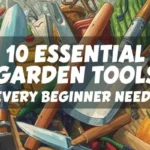
Essential Garden Tools Every Beginner Needs
You don’t need a professional gardener’s shed full of tools. The following garden instruments cover almost every basic gardening task.
1. Hand Trowel
A hand trowel is one of the most useful garden tools for beginners.
It’s a small handheld tool with a pointed metal blade used for digging and planting.
What it’s used for
- Planting flowers and small plants
- Digging small holes
- Transplanting seedlings
- Filling pots with compost
Why beginners need it
Most planting jobs in home gardens involve small spaces. A hand trowel allows you to work precisely without disturbing surrounding plants.
Buying tips
Look for:
- Stainless steel blade
- Comfortable rubber grip
- Strong one-piece construction
Cheap trowels can bend easily when digging in heavier UK soil.
2. Garden Fork
A garden fork is essential for preparing soil.
It’s especially useful in the UK, where clay or compact soil is common.
Uses
- Loosening soil
- Turning compost
- Breaking up compacted ground
- Aerating garden beds
Why it’s important
A fork improves soil structure without overworking it. This helps plant roots grow deeper and healthier.
Beginner tip
Use a fork to gently loosen soil before planting vegetables or flowers.
3. Garden Spade
A spade is one of the most important pieces of garden equipment.
It has a flat rectangular blade designed for digging and edging.
Uses
- Digging planting holes
- Cutting through turf
- Creating garden borders
- Moving soil or compost
Why beginners should own one
Many garden tasks—especially when creating new beds—require proper digging. A strong spade makes this job much easier.
What to look for
- Carbon steel blade
- Comfortable long handle
- Solid foot step for pushing into soil
4. Pruning Secateurs
Secateurs (hand pruners) are essential garden instruments for maintaining plants.
Uses
- Cutting stems
- Pruning shrubs
- Harvesting herbs
- Removing dead growth
Why pruning matters
Regular pruning helps plants:
- Grow healthier
- Produce more flowers
- Maintain good shape
Buying advice
Choose bypass secateurs, which cut like scissors. They make cleaner cuts and reduce plant damage.
5. Watering Can
Plants need consistent watering, especially during warm UK summers.
A watering can is one of the simplest but most important garden tools.
Uses
- Watering plants and seedlings
- Feeding plants with liquid fertiliser
- Gentle watering of delicate plants
Beginner tip
Choose a watering can with a rose attachment that gently spreads water like rainfall.
6. Garden Rake
A garden rake helps keep your garden tidy and the soil well-prepared.
Common uses
- Leveling soil
- Removing stones and debris
- Spreading mulch
- Clearing leaves
Why does it help beginners?
A rake helps create smooth planting surfaces and keeps garden beds neat.
7. Garden Hoe
Weeds are one of the biggest frustrations for beginner gardeners.
A garden hoe makes weed control much easier.
Uses
- Cutting weeds at the soil level
- Loosening topsoil
- Maintaining vegetable beds
Practical tip
Regular hoeing stops weeds before they spread.
Just 10 minutes of hoeing each week can save hours later.
8. Garden Gloves
While not technically a tool, gardening gloves are essential equipment.
Why they matter
Gardening gloves protect your hands from:
- Thorns
- Blisters
- Soil bacteria
- Rough tools
What to choose
Look for:
- Breathable material
- Reinforced palms
- Flexible fit
Comfortable gloves make gardening far more enjoyable.
9. Garden Hose or Watering System
For larger gardens, watering cans can become tiring.
A garden hose or simple irrigation system is useful equipment.
Benefits
- Faster watering
- Reaches larger areas
- Ideal for lawns and vegetable beds
Beginner tip
Use a spray nozzle with adjustable settings for different plants.
10. Garden Wheelbarrow
A wheelbarrow becomes extremely useful as your garden grows.
Uses
- Moving soil and compost
- Carrying plants
- Transporting garden waste
- Moving mulch or manure
Why beginners love it
It saves time and effort when working in larger garden areas.
Even with good garden equipment, beginners sometimes struggle.
Here are common mistakes to avoid.
Buying too many tools
A large tool collection isn’t necessary for most gardens.
Using the wrong tool
For example:
- Using a spade instead of a fork in compact soil
- Using dull secateurs that damage plants
Ignoring tool maintenance
Rusty or blunt tools make gardening harder.
Storing tools outdoors
Rain and moisture can quickly damage equipment.
Practical Tips from Gardening Experience
After years of gardening, I’ve learned a few simple lessons about tools.
Start small
Many beginners buy too many tools at once.
Instead, start with:
- Trowel
- Secateurs
- Spade
- Gloves
- Watering can
You can always add more tools later.
Keep tools in one place.
A simple garden tool box or shed keeps everything organised and easy to find.
Clean tools after use
Removing soil and moisture helps tools last longer.
Work with the soil, not against it.
In heavy UK soil, digging after rainfall can make work easier.
Common Mistakes Beginners Make with Garden Tools
Even with good garden equipment, beginners sometimes struggle.
Here are common mistakes to avoid.
Buying too many tools
A large tool collection isn’t necessary for most gardens.
Using the wrong tool
For example:
- Using a spade instead of a fork in compact soil
- Using dull secateurs that damage plants
Ignoring tool maintenance
Rusty or blunt tools make gardening harder.
Storing tools outdoors
Rain and moisture can quickly damage equipment.
Basic Garden Tool Maintenance Tips
Taking care of your garden instruments helps them last many years.
Clean tools regularly
After gardening:
- Remove soil
- Rinse with water if needed
- Dry with a cloth
Sharpen cutting tools
Secateurs and shears should be sharpened occasionally to maintain clean cuts.
Oil metal parts
Light oil prevents rust on blades and moving parts.
Store tools properly
Keep tools:
- In a dry shed
- Hanging on hooks
- Off the ground
Good storage protects your equipment from damage.
Conclusion
Starting a garden doesn’t require complicated equipment. With just a few reliable garden tools, garden equipment, and garden instruments, beginners can easily manage planting, pruning, and maintaining a beautiful home garden.
Focus on the essentials first, choose good-quality tools, and take care of them properly.
Gardening becomes much more enjoyable when the right tools make every task simpler.
Most importantly, don’t worry about doing everything perfectly. Every gardener learns through experience—and with the right tools in hand, your garden will grow along with your confidence. 🌱
Frequently Asked Questions
What garden tools do beginners really need?
Start with a small set:
Hand trowel
Spade
Garden fork
Secateurs
Watering can
Gloves
These tools handle most beginner gardening tasks.
Are expensive garden tools worth it?
Quality tools usually last longer and perform better.
While you don’t need the most expensive tools, extremely cheap ones often break quickly.
How often should garden tools be cleaned?
Ideally, after each gardening session.
Removing soil and moisture prevents rust and keeps tools working properly.
What is the most important tool for beginners?
The hand trowel is often the most used tool in small gardens.
It’s perfect for planting, transplanting, and potting plants.
Can beginners garden without many tools?
Yes.
Many small gardens can be maintained with just a few essential garden tools.
As your garden grows, you can gradually add more equipment.