Raised Garden Beds
What is a Raised Garden Bed?
If you’ve ever struggled with poor soil, weeds, or compacted ground, a raised garden bed might just be your gardening superhero. Essentially, a raised garden bed is an elevated planting area, enclosed by a frame made from wood, metal, stone, or recycled materials. Unlike traditional gardens, raised beds lift your soil above the ground level, giving plants better drainage, aeration, and root development. Think of it as giving your plants a VIP seat with the perfect soil conditions and easy access for you to tend them.
What’s cool is that raised beds aren’t just functional—they can be a striking feature in your backyard or balcony. They provide structure, make harvesting easier, and let you organize your garden efficiently. From small urban plots to sprawling backyard farms, these beds can be customized in shape and height to suit your space and mobility needs.
Benefits of Raised Garden Beds
Raised garden beds offer a slew of advantages that can transform your gardening experience. First, they improve soil drainage, which is crucial for avoiding root rot, especially in clay-heavy areas. They also reduce soil compaction, making it easier for roots to grow and absorb nutrients.
Another significant benefit is weed control. By elevating the soil and adding fresh, quality soil, weeds have a harder time establishing themselves. Raised beds also warm up faster in spring, allowing an earlier start to the growing season. Plus, for anyone with back issues, the elevated height means less bending and kneeling. Finally, they create a defined gardening space that can be visually appealing, helping you maintain a tidy and organized garden.
Planning Your Raised Garden Bed
Choosing the Right Location
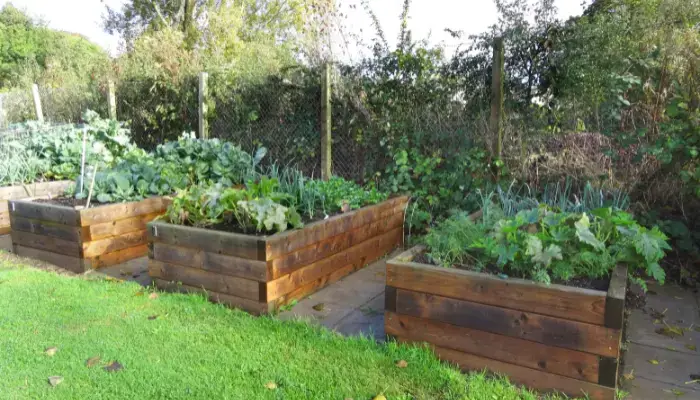
Location is everything in gardening. Your raised bed should get at least six to eight hours of sunlight daily. South-facing areas typically receive the most sun. Avoid spots near large trees or structures that can cast shade or compete for nutrients. Good drainage is also critical—choose a slightly elevated area or a place where water doesn’t pool after rain.
Consider access too. You’ll want easy reach for watering, harvesting, and maintenance. If the bed is near your kitchen, you can enjoy fresh herbs and veggies in no time. Also, think about wind protection. Strong gusts can damage plants, so placing beds near a fence or hedge can provide a natural barrier.
Determining the Size and Shape
Raised beds come in various sizes, but a standard width is around 4 feet. This width allows easy reach from either side without stepping on the soil, which keeps it loose and fertile. Length is flexible, but beds longer than 12 feet might require extra support to prevent bowing. Height ranges from 6 inches to 36 inches, depending on your needs. Taller beds are excellent for accessibility or for soils with poor quality underneath.
Shape is equally important. Rectangular beds are traditional and efficient, while square or L-shaped designs work well in smaller spaces or corners. Even circular or tiered designs can be practical for aesthetic and functional purposes.
Selecting the Right Materials
The choice of materials affects durability, aesthetics, and safety. Wood is popular, with cedar and redwood leading for rot resistance. Pressure-treated wood is also an option, but avoid types treated with harmful chemicals if you grow edibles.
Alternative materials include stone, brick, metal, or recycled composite boards. Each has pros and cons: stone is long-lasting but heavy, metal is sleek but can heat up quickly, and composite boards resist rot but are pricier. Your choice should balance longevity, budget, and visual appeal.
Tools and Materials Needed
Essential Tools for Construction
Building a raised garden bed doesn’t require a full workshop, but having the right tools makes the process smooth. Essentials include a saw for cutting wood, a drill for screws, a measuring tape, a level to ensure your bed is even, and a shovel for soil work. A hammer or mallet, garden gloves, and stakes for marking the area are also useful.
If you’re constructing multiple beds or a larger structure, consider clamps for holding pieces together and a wheelbarrow to move soil efficiently. A staple gun or screws with brackets can provide extra stability for wood frames. Preparing all tools beforehand saves time and frustration.
Best Materials for Durability and Safety
When it comes to materials, quality matters. Opt for rot-resistant wood such as cedar, redwood, or untreated pine. If you prefer a more modern look, metal frames made of galvanized steel or corrugated iron are durable and lightweight. Stone or brick adds elegance but requires more effort to assemble.
Avoid treated lumber that contains arsenic or harmful chemicals, especially for vegetable beds. Instead, line the bed interior with food-safe landscape fabric or plastic to extend the life of the wood and protect soil quality. Mulch, compost, and high-quality topsoil are essential for creating fertile conditions for your plants.
Step-by-Step Construction Guide
Preparing the Site
Start by clearing your chosen area of grass, weeds, and debris. Mark the perimeter using stakes and string. Level the ground as much as possible to prevent water from pooling on one side. For uneven terrain, you might need to add or remove soil to create a flat surface.
Adding a layer of cardboard or landscape fabric at the base can suppress weeds, improve soil quality, and reduce maintenance. This layer eventually breaks down, enriching the soil with organic matter.
Building the Frame: Assembling Wooden Beds
Measure and cut the wood according to your design. Assemble the frame using screws or brackets at each corner. Ensure the frame is level and square to avoid uneven soil settling. Reinforce longer beds with interior braces to prevent bowing.
For a more polished look, sand rough edges and consider sealing the wood with non-toxic oil to increase durability. A simple frame can be done in a weekend, and it provides a solid foundation for a thriving garden.
Using Alternative Materials
If you opt for metal, brick, or stone, stack materials according to the design, ensuring stability. For bricks or stones, dry stacking or using mortar works depending on your preference. Metal beds might need corner brackets or bolts for extra sturdiness. Whatever material you choose, prioritize safety—sharp edges or loose stones can pose hazards during planting or harvesting.
Filling the Bed with Soil: Choosing the Right Soil Mix
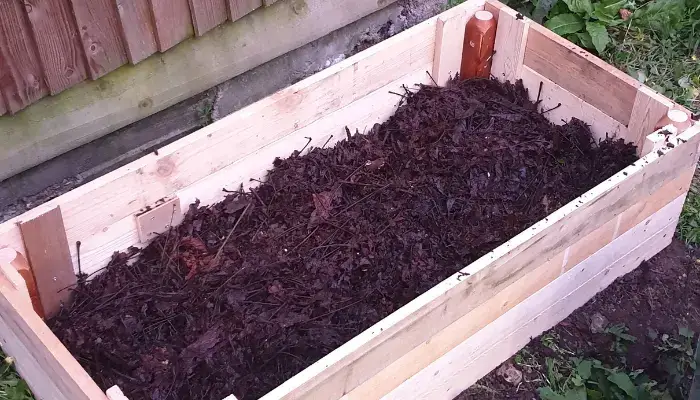
A raised bed’s soil should be rich, well-draining, and loose. A common mix is 1/3 topsoil, 1/3 compost, and 1/3 coarse sand or organic matter. This combination supports root growth, retains moisture, and supplies nutrients for healthy plants.
These calculators meet your needs for filling the beds
Avoid using native soil alone, as it may be too heavy or poor in nutrients. Pre-mixed raised bed soil blends are also available and save time.
Adding Compost and Nutrients
Incorporate compost or well-rotted manure to enrich the soil. Adding slow-release organic fertilizers can give plants a steady nutrient supply throughout the growing season. Layering organic material like leaves or grass clippings at the bottom helps with moisture retention and adds long-term fertility as it decomposes.
Top-dressing with mulch after planting helps retain moisture, suppress weeds, and protect roots from extreme temperatures.
Planting in Your Raised Garden Bed
Selecting Suitable Plants
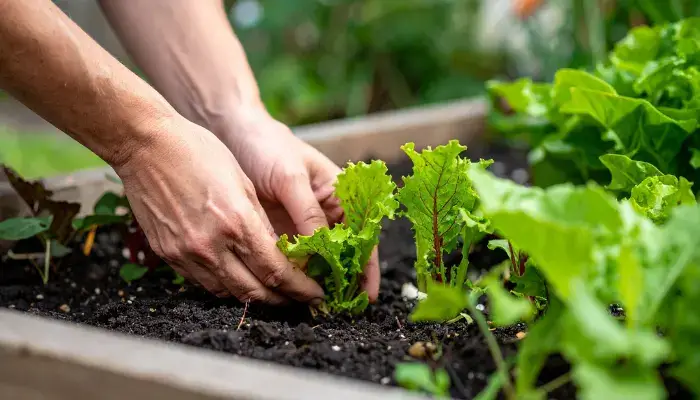
Raised beds excel for vegetables, herbs, and flowers. Leafy greens like lettuce, spinach, and kale thrive due to loose soil. Tomatoes, peppers, and beans enjoy the excellent drainage. Herbs like basil, rosemary, and thyme grow well and are easy to access for cooking.
Consider companion planting to maximize space and deter pests. For example, planting marigolds alongside tomatoes can help repel insects, while radishes can be interplanted with carrots to deter carrot fly.
Planting Techniques for Maximum Yield
Planting in raised beds allows for intensive planting methods like square-foot gardening or vertical trellising. Space plants according to their mature size to prevent overcrowding. Stagger planting times for a continuous harvest, and rotate crops seasonally to maintain soil health.
Watering immediately after planting helps roots settle. Regular monitoring and pruning encourage healthy growth and higher yields.
Maintaining Your Raised Garden Bed
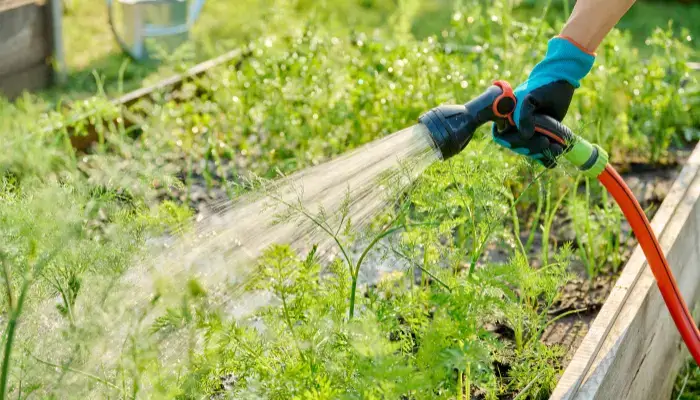
Watering Tips and Irrigation Options
Raised beds dry out faster than in-ground gardens, so consistent watering is crucial. Drip irrigation or soaker hoses deliver water directly to the roots efficiently. Mulching reduces evaporation and keeps soil moist longer.
Check moisture levels frequently, especially in summer or hot climates. Overwatering can be just as damaging as under-watering, so aim for consistently damp, not soggy, soil.
Controlling Weeds and Pests
Even with raised beds, weeds and pests can be a challenge. Mulch helps prevent weeds, while row covers or netting protect crops from birds and insects. Regular inspection allows early detection of aphids, slugs, or fungal diseases. Companion planting and natural remedies, like neem oil or diatomaceous earth, reduce chemical use and maintain organic gardening standards.
Seasonal Care and Crop Rotation
Remove spent plants and debris at the end of each season to prevent disease. Rotate crops to different beds to avoid nutrient depletion and minimize pest issues. Adding compost and organic matter between crops replenishes soil fertility, preparing your bed for the next planting cycle.
Common Mistakes to Avoid
- Choosing a poor location with insufficient sunlight.
- Using untreated or toxic wood without protective lining.
- Overcrowding plants, which reduces airflow and increases disease risk.
- Neglecting soil quality and nutrient balance.
- Skipping seasonal maintenance and crop rotation.
Awareness of these pitfalls can save you time, money, and frustration while ensuring a productive garden.
Conclusion
Building a raised garden bed is a rewarding project that elevates both your garden and your gardening experience. By carefully planning the location, size, and materials, and following proper construction and maintenance techniques, you can create a thriving, low-maintenance garden. Whether you’re growing vegetables, herbs, or flowers, raised beds give you better control over soil quality, drainage, and pest management. With some planning, effort, and care, your raised garden bed can become the centerpiece of a lush, productive, and beautiful garden.
Frequently Asked Questions
Can I build a raised garden bed on concrete or a patio?
Yes! You can place raised beds on hard surfaces, but ensure proper drainage by adding a layer of gravel or using a liner at the bottom.
What is the best height for a raised garden bed?
Typically, 12–24 inches is ideal for most plants, but you can go higher for accessibility or poor underlying soil.
How often should I water my raised garden bed?
Generally, raised beds need daily watering in hot weather, or every 2–3 days in cooler seasons. Mulch can reduce frequency.
Can I use recycled materials for raised beds?
Yes, materials like reclaimed wood, bricks, or pallets work well, as long as they are safe and free from chemicals.
Do raised beds require fertilizer?
Yes, adding compost and occasional organic fertilizer maintains nutrient-rich soil for healthy plant growth.