Why New Build Gardens Need Special Planning
Common Challenges in New Build Gardens
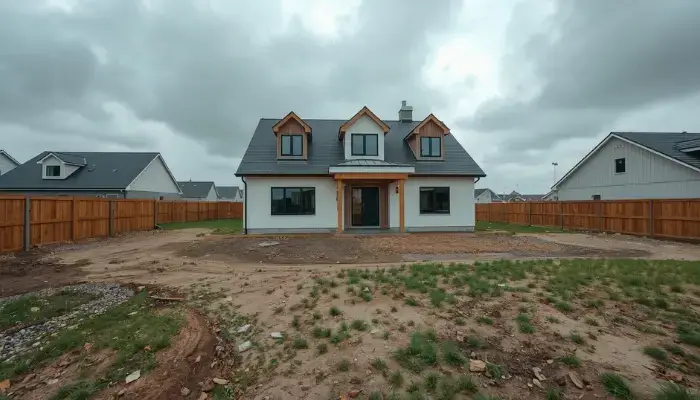
If you’ve just moved into a new home, your garden likely looks like a blank canvas, or sometimes an uneven patch of soil with debris. New-build properties typically focus on the house, leaving outdoor spaces underdeveloped. Poor soil quality and drainage are often the main issues homeowners and experts encounter when starting a new build garden.
Your garden, like a cake without icing, needs those finishing touches. Builders commonly leave behind compacted, nutrient-poor soil, making it difficult for plants to grow well. Drainage problems can result in waterlogging, which can harm plants and potentially affect your home’s foundation.
Lack of privacy is another issue. Because new-build estates are often close together, your garden may feel exposed. With no mature trees or hedges for screening, you’ll want to design the space thoughtfully to create a sense of comfort and enclosure. While these challenges might seem daunting, they actually give you the chance to shape your garden exactly to your preferences.
Benefits of Starting from Scratch
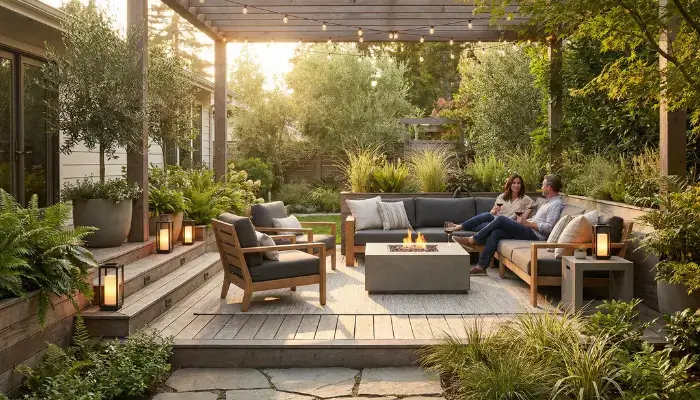
Having a blank slate means you are not limited by someone else’s choices. You are free to create a garden that reflects your personality and lifestyle. Whether you imagine a modern lounge spot, a green retreat, or a productive space, the options are open to you.
Unlike older gardens that may require costly renovations, a new-build garden lets you plan everything from the ground up. For example, you can install efficient irrigation systems, choose climate-appropriate plants, and design functional zones right from the beginning. These steps align with 2026 trends, which focus on gardening that is precise, efficient, and tailored to your needs and environmental factors.
Starting fresh allows you to adopt sustainable practices from the very beginning. Without existing plants to work around, you can use eco-friendly practices such as rainwater harvesting, composting, and native planting. Over time, your garden will be easier to care for and more adaptable to weather changes.
Top Garden Design Trends for 2026
Sustainable and Climate-Smart Gardening
Gardening in 2026 is about working with nature. Garden design now emphasises climate-responsive gardening, tailoring layouts and plant choices to the local environment.
A self-sustaining garden is the aim. By grouping plants with similar needs, you reduce maintenance and help plants flourish. Drought-resistant, native plants and permeable paving help save water and support biodiversity.
Another trend is treating soil as a living ecosystem. Instead of always using fertilisers, many gardeners now focus on improving soil naturally with composting and mulching. This supports plant health and reduces long-term upkeep. Think of it as nurturing your garden’s foundation, rather than reacting to problems later.
Outdoor Living Spaces & Patio Culture
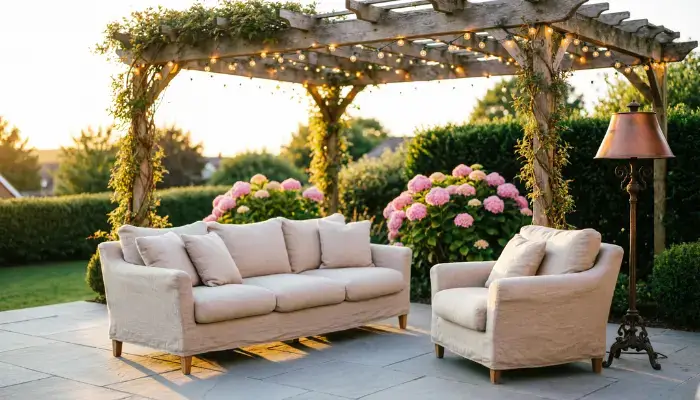
Gardens are now viewed as outdoor living areas. People want seating, lighting, and outdoor kitchens, making gardens an extension of the home.
Think about how you use your living room indoors. Now imagine bringing that comfort outside. Modular furniture, cosy cushions, and layered lighting can transform your garden into a relaxing retreat. Current trends show that gardens are being designed as more functional and stylish living spaces, blending comfort with practicality.
You don’t need a large garden to achieve this effect. Even a small patio can become a showpiece with the right design touches. Add a fire pit, pergola, or comfortable seating, and your garden becomes a place for enjoying life—not just growing plants.
Planning Your New Build Garden Layout
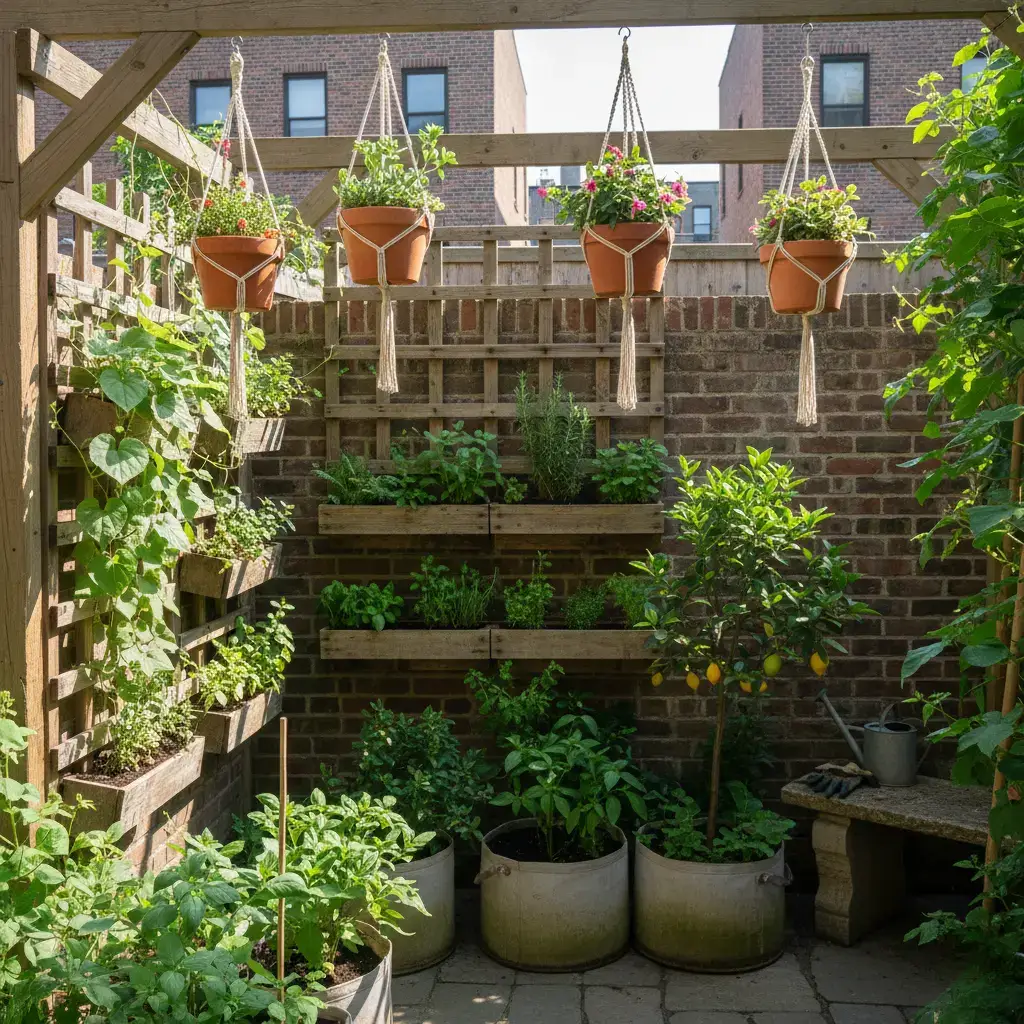
Zoning Your Space Effectively
One of the smartest ways to design a new-build garden is to divide it into zones. This concept, often called “garden zoning,” helps you organise your space based on how you plan to use it.
See your garden as several mini-rooms. A dining zone, a relaxation area, a play space, and a planting section make it more functional and structured.
Recent design ideas highlight the “botanical bento” concept—a trend for 2026 where small gardens are divided into distinct sections to maximise space. It’s like arranging a beautifully organised lunchbox, where each compartment serves a purpose, reflecting a focus on functionality and efficiency in garden layouts.
Functional Garden Zones Explained
Here are a few essential zones you might consider:
- Entertainment Zone: Patio or decking area for seating and dining
- Green Zone: Lawn, flower beds, or vegetable garden
- Relaxation Zone: Hammock, lounge chairs, or shaded area
- Utility Zone: Storage, composting, or tool shed
By clearly defining these areas, you create a garden that feels intentional rather than random. It also helps you prioritise your budget and focus on what matters most to you.
Soil Preparation and Groundwork
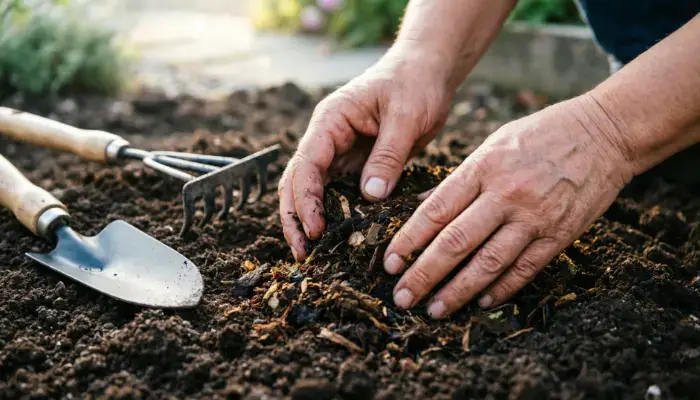
Fixing Poor Soil Quality
Most new-build gardens come with far-from-perfect soil—often compacted and unsuitable for planting. Address this before moving on to design.
Start by loosening the soil and removing debris. Adding organic matter, such as compost or manure, can dramatically improve soil structure and fertility. Over time, this creates a rich environment where plants can thrive.
Soil is the engine of your garden. If it doesn’t work, nothing else will. Soil prep isn’t glamorous, but it’s essential.
Drainage Solutions for New Builds
Poor drainage leads to waterlogged, unusable soil. Install drainage systems or raised beds to fix this.
Permeable materials like gravel or porous paving can also help manage water flow. This approach aligns with modern trends in water conservation and efficient garden design, showing the increasing value placed on sustainability.
Landscaping Ideas for New Build Gardens
Modern Minimalist Garden Designs
If you love clean lines and simplicity, a modern minimalist garden might be perfect for you. This style focuses on structure, symmetry, and a limited colour palette.
Using materials such as stone, wood, and concrete, you can create a sleek, contemporary look. Repetition is a key design principle—using the same plants or materials throughout the garden creates a cohesive and polished appearance.
Cottage-Style Garden Inspiration
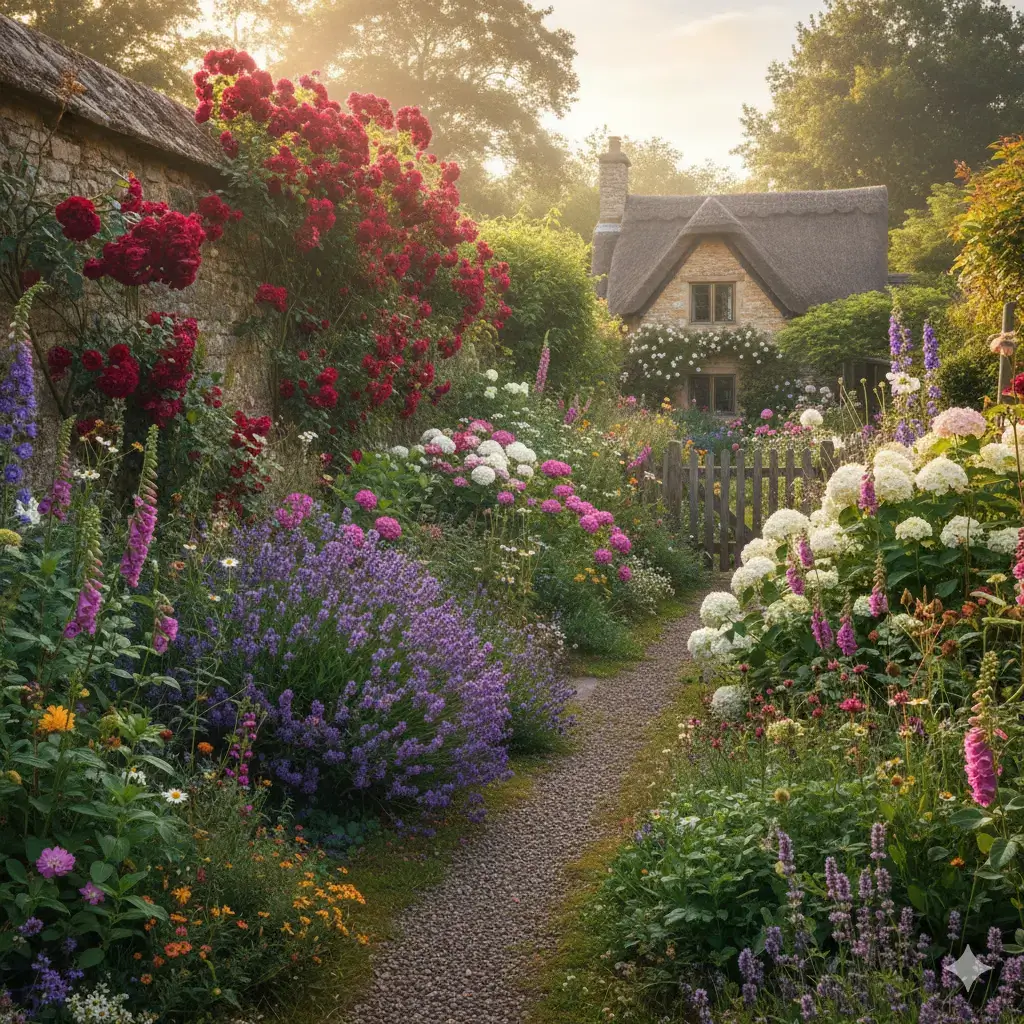
For a relaxed, natural look, try a cottage-style garden. Mix flowers, herbs, and shrubs for a lush, layered effect.
It’s less about perfection and more about personality. Think of it as controlled chaos—beautiful, vibrant, and full of life.
Small New Build Garden Ideas
Vertical Gardening Techniques
In small spaces, go vertical. Wall planters, trellises, and hanging baskets save space on the ground.
Vertical gardening is not only practical but also visually striking. It draws the eye upward, making your garden feel taller and more spacious.
Creating Illusions of Space
Simple tricks make small gardens look larger. Diagonal paving, mirrors, and lighting add depth.
According to design insights, a diagonal layout can make a garden feel significantly wider. It’s a small change that makes a big difference.
Low-Maintenance Garden Ideas
Easy-Care Plants and Materials
Low-maintenance gardens are ideal for busy lifestyles. Designs that require less upkeep are increasingly popular.
Choose hardy, drought-resistant plants suited to your climate. Opt for materials like composite decking and gravel for low upkeep.
| Plants | Native species | Less watering |
| Ground Cover | Gravel | No mowing |
| Decking | Composite | Weather-resistant |
| Irrigation | Smart systems | Saves time |
Adding Features to Your Garden
Patios, Decking, and Seating Areas
A well-designed patio can completely transform your garden. It becomes a central hub for relaxation and entertainment.
Water Features and Lighting
Adding a small water feature or layered lighting can elevate your garden’s ambience. These elements create a calming atmosphere and make your garden usable even at night.
Budget-Friendly Garden Ideas
Beautiful gardens don’t require big budgets. Start small and build over time, focusing on essentials first.
DIY projects, recycled materials, and simple planting schemes can all help reduce costs while still achieving a stunning result. Key takeaway: Creative, budget-conscious choices deliver beautiful gardens at an affordable price.
Conclusion
Designing a new build garden is like painting a canvas. With planning and creativity, you can shape it to fit your lifestyle. Start with a strong foundation and build from there.
Frequently Asked Questions
What is the best layout for a new build garden?
A zoned layout works best, dividing your garden into functional areas such as seating, planting, and relaxation.
How do I improve poor soil in a new build garden?
Add organic matter, such as compost and manure, and aerate the soil to improve structure and fertility.
What are low-maintenance plants for beginners?
Native plants and drought-resistant species are ideal because they require less care.
How can I make a small garden look bigger?
Use vertical gardening, diagonal paving, and mirrors to create the illusion of space.
What are the latest garden trends for 2026?
Sustainable gardening, outdoor living spaces, and climate-smart designs are leading trends.