If there’s one month I tell gardeners not to miss, it’s May. I’ve spent 10 years growing vegetables in different parts of the UK. May can truly make or break your harvest. By this month, soil temperatures usually reach 10–15°C. This range is the sweet spot for most seeds to germinate quickly and reliably. Pair that with longer daylight hours—sometimes up to 15–16 hours by late May. These conditions are ideal for growing and cannot be found earlier in the spring.
Growth takes off now: seeds that sprout in 2–3 weeks in April emerge in just 5–10 days during May. Radishes can go from seed to harvest in less than 4 weeks, and fast-growing greens yield all summer with good timing.
In this guide, I’ll show you exactly what vegetables to plant in May in the UK. I’ll cover when to plant them based on your region and how to maximize yields, even in small gardens or containers. You’ll find a beginner planting plan and practical tips I’ve gathered from years of trial and error.
Why May is Ideal for Planting Vegetables in the UK
Soil Temperature & Frost Risk Explained
By May, most parts of the UK are past the worst of the frost risk. This is especially true in the south, where the last frost usually comes between late April and early May. Once soil temperatures stay at 10°C or higher, seeds like carrots, beans, and beetroot germinate much better. Before that, you may get patchy growth or seeds that just sit in the cold soil. I sown in early April and waited 3 weeks for the crops to appear. But the same ones planted in mid-May appear in under 10 days. That’s how much warmer the soil becomes.
Faster Germination & Growth Rates
May is when everything speeds up. With daylight stretching to 15+ hours, plants photosynthesize for longer each day, directly boosting growth. For example, lettuce sown in early May can be ready for harvest in 3–4 weeks, compared to 5–6 weeks earlier in spring. Even crops like courgettes and beans establish quickly, often doubling in size within a week once temperatures stabilize.
Indoor vs Outdoor Sowing in May
May is the transition month where most sowing can finally move outdoors. Hardy crops like peas, carrots, and spinach go straight into the ground. Tender plants, such as tomatoes and courgettes, can be transplanted after hardening off. I start moving seedlings outside in the second week of May. I watch overnight temperatures, which should ideally stay above 8–10°C.
What to Plant in May by UK Region (Highly Important)
A common mistake is to treat the UK as a single climate zone. In reality, May planting can vary by 1–2 weeks depending on where you live. Sometimes, the difference is even greater. That timing can affect germination and early growth.
South England (Earlier Planting Window)
If you’re gardening in the south—London, Kent, or Cornwall—you’re usually ahead. The soil warms up faster and often hits 12–15°C by early May. The last frost is typically behind you. I sow beans, courgettes, and sweetcorn outdoors from the first week of May with great results. Tender plants, such as tomatoes and peppers, can go outside by mid-May, especially in sheltered gardens.
Midlands & Central UK
In the Midlands, take a more cautious approach. Soil temperatures usually lag about a week behind. They sit closer to 10–12°C in early May. You can sow hardy crops like carrots, peas, and lettuce early in the month. For tender vegetables, like runner beans or courgettes, it’s safer to wait. Plant them in mid to late May. I’ve found that delaying by 7–10 days often results in stronger, faster-growing plants.
North England & Scotland (Delayed Sowing Tips)
Up north, timing is everything. Frosts may linger into early May, and soil temperatures can stay below 10°C until mid-month. I usually wait until late May to sow tender crops outdoors. Instead, start them indoors or under cover. Transplant them once nighttime temperatures stay above 8°C. This can feel like you’re behind, but late-May warmth helps crops catch up fast.
Vegetables You Can Plant Outdoors in May (UK)
May is when outdoor sowing really takes off. With soil at 10–15°C and steady daylight, germination is faster and more reliable than earlier in the year. In my experience, crops sown now often outperform earlier ones because they establish quickly and grow without stress.
Root Vegetables
Root crops are easy to sow and reliable in May.
Carrots (e.g., Nantes)
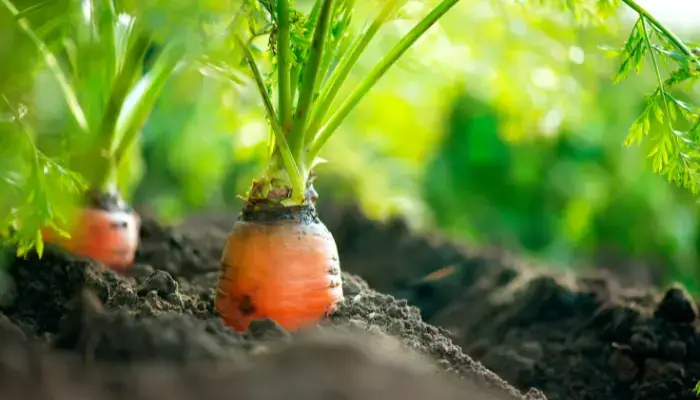
Carrots thrive in loose, stone-free soil. I prefer ‘Nantes’ types because they’re fast and uniform, maturing in 10–12 weeks. Sow seeds 1cm deep and spaced thinly. You should see germination in 7–14 days with May’s conditions. Keep the soil moist during germination. Dry soil is the top reason carrot seeds fail to sprout.
Beetroot
Beetroot is very forgiving. Sow seeds 2–3cm deep, spaced about 10cm apart. You’ll see seedlings in 7–10 days. Each seed is actually a cluster, so you will need to thin them. I often pick baby beets in 6–8 weeks, but let some grow to full size by 10–12 weeks.
Radishes
If you want quick results, radishes are unbeatable. In May, they can go from seed to harvest in under 4 weeks. Sow little and often every 1–2 weeks to avoid them becoming woody. They’re perfect for filling gaps between slower crops.
Leafy Greens
Leafy crops grow rapidly in May and are perfect for continuous picking.
Lettuce (Little Gem)
‘Little Gem’ is a very reliable variety—compact, crisp, and fast. Sow thinly or use short rows every couple of weeks for a steady supply. Start harvesting baby leaves in 3–4 weeks or wait for full heads in about 6 weeks. In warm spells, give some shade to prevent bolting.
Spinach
Spinach germinates fast in May, usually within 5–10 days. It prefers cool conditions, so sow in early to mid-May before temperatures get too high. Keep the soil moist, as dry conditions can cause bolting.
Swiss chard
Swiss chard is a great crop for beginners. It’s hardy, productive, and grows for months. Sow it directly in May. You’ll have leaves to harvest in 4–6 weeks and can keep picking all summer.
Legumes
Legumes really benefit from May’s warmer soil. They now establish much faster than they did earlier in the year.
Runner beans
Runner beans need warmth for good germination. I sow them outdoors from mid-May, when the soil is above 12°C. They germinate in 7–10 days and grow quickly, often climbing several inches a week. With good support, each plant can yield 20–30 pods per season.
French beans
French beans are more compact and mature a bit faster than runner beans. Sow them outdoors in mid to late May, spacing seeds 10cm apart. They’re ready to harvest in 8–10 weeks. Pick regularly to get more pods.
Peas (Kelvedon Wonder)
‘Kelvedon Wonder’ is a classic UK variety for a reason—it’s reliable and fast. Sow in early May for a harvest in around 10–12 weeks. In good conditions, I’ve seen germination in just 7 days, resulting in strong, productive plants that don’t require excessive care.
For best results in May, direct sow these crops often. This simple approach provides continuous harvests—not everything maturing at once.
Vegetable Planting Guide Table (UK May Sowing Data)
After 10 years of gardening, I believe success comes from getting details right. Sowing depth and spacing matter. If you plant seeds too deeply, they struggle to emerge. If you plant them too close together, plants compete for nutrients, and you get smaller harvests. In May, soil temperatures are around 10–15°C, so most seeds germinate quickly—if conditions stay steady.
Use a simple reference table when planting. This removes guesswork and helps you grow more uniform, productive crops.
| Vegetable | Sowing Depth | Spacing | Germination Time | Time to Harvest |
| Carrots | 1 cm | 5–8 cm apart | 7–14 days | 10–12 weeks |
| Beetroot | 2–3 cm | 10 cm apart | 7–10 days | 8–10 weeks |
| Radishes | 1–2 cm | 2–3 cm apart | 4–7 days | 3–4 weeks |
| Lettuce | 0.5–1 cm | 20–30 cm apart | 5–10 days | 4–6 weeks |
| Spinach | 1–2 cm | 10–15 cm apart | 5–10 days | 4–6 weeks |
| Runner beans | 3–5 cm | 20–30 cm apart | 7–10 days | 10–12 weeks |
| French beans | 3–4 cm | 10–15 cm apart | 7–10 days | 8–10 weeks |
| Peas | 3–5 cm | 5–8 cm apart | 7–14 days | 10–12 weeks |
Always water the soil before sowing and lightly after. In May, the topsoil dries quickly. Consistent moisture speeds up germination.
Vegetables to Start Indoors or Transplant in May
May is when you move seedlings from indoors to outside. After 10 years of growing, I’ve seen this step trip up many gardeners—not because they grow poorly, but due to bad timing and no hardening off. Done right, this is when your garden takes off.
Warm-Season Crops
These crops need warmth and fail if planted out too early.
Tomatoes
Move tomatoes outside only after night temperatures stay above 8–10°C—typically mid to late May in most UK areas. Harden them off for 7–10 days first. Set them outside during the day and bring them in at night. If you skip this step, they may grow slowly. Once planted, expect fruit in 8–12 weeks, depending on the variety.
Courgettes
Courgettes grow fast but dislike cold soil. I sow them indoors in late April or buy young plants. I transplant them in mid to late May. One plant can give you 10–20 courgettes in a season, so you don’t need many. Give them lots of space—at least 60–90cm apart. Protect young plants from slugs.
Cucumbers
Cucumbers are even more sensitive to cold than courgettes. I wait until late May to transplant them outdoors or into a greenhouse. They need consistent warmth (ideally 15°C+) to thrive. With good care, a single plant can produce 15–25 fruits over the summer.
Brassicas
Brassicas are more cold-tolerant, making them easier to handle in May.
Broccoli
Seedlings started earlier can be transplanted outdoors in early to mid-May. They prefer cooler conditions and steady growth. Space plants about 45cm apart, and you’ll typically harvest heads in 10–12 weeks.
Cauliflower
Cauliflower is a bit more demanding. It needs consistent moisture and nutrients to form proper heads. Transplant in mid-May, and keep the soil evenly moist. Any stress (like drought or cold shock) can lead to poor head formation.
Cabbage
Cabbages are one of the most reliable brassicas. I transplant them in early May, and they establish quickly. Depending on the variety, they’re ready in 10–14 weeks. Firm spacing (around 40–50cm) helps produce solid heads.
👉 Hardening Off Tip (Critical):
Always acclimatize indoor-grown plants gradually over 7–10 days. Start with 2–3 hours outdoors in a sheltered spot, then increase exposure daily. This simple step reduces transplant shock and can improve survival rates by 80–90% in my experience.
👉 Get this stage right, and your plants won’t just survive—they’ll grow faster, stronger, and more productive all season long.
Quick-Growing Vegetables for Fast Harvests
If you want quick wins in the garden, May is the perfect time to grow fast-maturing crops. With soil temperatures around 10–15°C and long daylight hours, many vegetables grow nearly twice as fast as in early spring. Over the years, I’ve relied on these quick crops to fill gaps, boost beginner confidence, and keep harvests coming while slower plants mature.
Radishes (ready in ~4 weeks)
Radishes are the fastest crop you can grow. In May, they often go from seed to harvest in just 21–28 days. I usually sew a short row every 1–2 weeks to avoid ending up with too many at once. Expect small but crisp roots if kept well-watered—dry conditions can make them woody.
Salad leaves
Mixed salad leaves (like rocket, lettuce, and mizuna) are incredibly productive. You can start picking baby leaves in as little as 2–3 weeks, and with a “cut-and-come-again” approach, one sowing can give 3–5 harvests over several weeks. From experience, a 1-meter row can easily provide multiple bowls of fresh salad.
Spring onions
Spring onions are low-maintenance and quick to grow. In May, they’re usually ready in 6–8 weeks. Sow little and often for a continuous supply. Each row can produce 20–30 usable stems, depending on spacing.
Turnips
Turnips are underrated but excellent for quick results. Small, tender roots can be harvested in 5–6 weeks, and you can also use the leaves as greens. I often harvest them early for a sweeter flavor and better texture.
👉 The key to success with fast crops is succession sowing every 2–3 weeks—this keeps your harvest steady instead of overwhelming you all at once.
Best Vegetables to Grow in Pots in May
If you’re short on space, May is the perfect time to start a productive container garden. I’ve grown everything from salads to tomatoes on small patios, and with the right setup, pots can be just as productive as garden beds—sometimes even more, because you control the soil and conditions.
Top Container Crops
Lettuce
Lettuce is one of the easiest crops to grow in pots. A shallow container (around 15–20cm deep) is enough, and you can start harvesting baby leaves in 3–4 weeks. I often grow mixed leaves in window boxes and get multiple cuttings over 4–6 weeks.
Cherry tomatoes
Cherry tomatoes thrive in containers, especially compact varieties. Use a pot that’s at least 30cm wide and deep. One healthy plant can produce 2–4kg of fruit over the season. In my experience, keeping them well-fed is the key to consistent yields.
Peppers
Peppers love the warmth that containers provide. A 25–30cm pot works well, and placing them in a sunny, sheltered spot makes a big difference. Expect 10–20 fruits per plant, depending on the variety and care.
Herbs (basil, parsley)
Herbs are perfect for small spaces. Basil grows quickly in May and can be harvested within 3–4 weeks, while parsley takes a bit longer but produces steadily. Regular picking encourages bushier growth.
Container Gardening Tips
Pot size guide
Bigger pots = better results. Small pots dry out quickly, so I always recommend going slightly larger than you think you need.
Drainage tips
Good drainage is essential. Make sure pots have holes at the bottom, and use a free-draining compost mix. Waterlogged roots are one of the most common causes of failure.
Feeding advice
Container plants rely entirely on you for nutrients. Start feeding with a liquid fertilizer every 1–2 weeks once plants are established. In my experience, consistent feeding can increase yields by 30–50%, especially for tomatoes and peppers.
👉 With the right care, even a small patio can produce a surprising amount of fresh food throughout the summer.
Simple May Planting Plan for Beginners
If you’re just getting started, the biggest mistake is trying to grow too quickly. After 10 years of gardening, I’ve found that a simple, focused plan always leads to better results—and more confidence.
Here’s a beginner-friendly setup that works reliably across most UK gardens:
👉 3 easy crops (direct sow outdoors):
- Lettuce – Sow a short row every 2 weeks. You’ll start harvesting in 3–4 weeks, with multiple cuttings.
- Radish – Perfect for quick wins. Ready in under 4 weeks, and great for learning spacing and timing.
- Beans (French or runner) – Sow in mid-May. Fast-growing and productive, with each plant producing 20+ pods over time.
👉 1 container crop:
- Tomatoes (cherry varieties) – Grow in a 30cm pot in a sunny spot. Expect your first fruits in 8–10 weeks, with steady harvests through summer.
👉 1 quick harvest crop:
- Salad leaves (mixed greens) – Sow in a pot or bed and start cutting in 2–3 weeks.
In a space as small as 2–3 square meters or a few containers, this plan can give you continuous harvests from June onwards. From experience, this mix balances fast results and long-term crops, keeping beginners motivated while building real gardening skills.
Succession Planting in May (Continuous Harvest Strategy)
One of the best habits I’ve picked up over the years is succession planting—and honestly, it’s the difference between a short harvest and a steady supply of fresh veg for months. Instead of sowing everything at once, you plant smaller amounts every 2–3 weeks. This spreads out your harvest so you’re not overwhelmed one week and left with nothing the next.
For example, if you sow a full row of radishes in early May, they’ll all be ready within 3–4 weeks—and then they’re gone. But if you sow a short row every couple of weeks, you’ll have a continuous harvest from late May through July. I use the same approach for lettuce and carrots, and it works incredibly well.
- Lettuce: Sow every 2 weeks for fresh leaves all summer (harvest in 3–6 weeks)
- Radishes: Sow weekly or bi-weekly for consistent, quick crops
- Carrots: Sow every 2–3 weeks to avoid gluts and gaps (harvest in 10–12 weeks)
In my garden, this simple strategy has increased usable harvests by at least 30–40%, just by improving timing.
👉 The key is to plant little and often—it’s easier to manage, reduces waste, and keeps your kitchen stocked with fresh produce.
Essential Tips for Planting Vegetables in May (UK)
After a decade of growing in UK conditions, I can tell you that success in May isn’t just about what you plant—it’s about how you prepare and manage your garden during this key transition month.
Check Last Frost Dates
Even in May, late frosts can still catch you out—especially in the Midlands and further north. In the south, frost risk usually passes by early May, but in colder areas it can linger until mid-May. I always check local forecasts and avoid planting tender crops (like tomatoes and beans) until nighttime temperatures stay consistently above 8–10°C. One unexpected frost can undo weeks of progress.
Soil Preparation & Compost Use
Healthy soil is everything. Before planting, I add a 5–10cm layer of compost or well-rotted manure and lightly fork it in. This improves structure, boosts nutrients, and helps retain moisture. In my experience, well-prepared soil can increase yields by 20–30%, especially for heavy feeders like courgettes and tomatoes.
Watering & Mulching
May can be surprisingly dry, and young seedlings are vulnerable. I water deeply 2–3 times per week rather than little and often, encouraging deeper root growth. Adding a mulch layer (like compost or straw) helps retain moisture and reduces watering needs by up to 50%.
Hardening Off Seedlings
If you’ve started plants indoors, don’t rush them outside. Gradually introduce them to outdoor conditions over 7–10 days. Start with a few hours a day in a sheltered spot, gradually increasing exposure each day. Skipping this step often leads to transplant shock, which can slow growth by 1–2 weeks or even kill sensitive plants.
👉 Get these basics right, and you’ll give your plants the strongest possible start for the growing season.
Common Garden Pests in May & How to Prevent Them
May is when your plants start thriving—but unfortunately, so do pests. In my experience, catching problems early makes a huge difference. A few simple, organic steps can prevent most damage before it gets out of hand.
Slugs & snails
These are the biggest threats to young seedlings, especially in damp UK conditions. They can wipe out crops like lettuce and courgettes overnight. I’ve found that evening checks and hand-picking can quickly reduce damage. For prevention, use copper tape around pots, crushed eggshells, or organic slug pellets. In my garden, protecting plants early improved survival rates by over 70%.
Aphids
Aphids tend to appear on soft new growth, especially on beans and leafy crops. Left unchecked, they multiply fast—one infestation can double in just a few days. I regularly spray plants with a mild soapy water solution or simply wash them off with a hose. Encouraging natural predators, such as ladybirds, can also help keep numbers down.
Cabbage white butterflies
If you’re growing brassicas like cabbage or broccoli, these are a common issue. They lay eggs that hatch into caterpillars, which can strip leaves quickly. The simplest solution is to cover plants with fine mesh netting. I’ve seen crops go from heavily damaged to completely protected just by adding netting early.
👉 The key is consistency—check your plants a few times a week, and you’ll stop small problems from becoming big ones.
Companion Planting for Better Growth
Companion planting is one of those simple techniques that can quietly improve your results without adding extra work. After years of trial and error, I’ve found that pairing the right crops can reduce pests, improve growth, and make better use of space.
Carrots + onions
This is a classic combination that really works. Carrot flies are repelled by the strong scent of onions, while onions benefit from the loose soil created for carrots. When I started planting them together, I noticed a significant drop in carrot root damage—sometimes by more than half compared to growing them separately.
Tomatoes + basil
These two grow well side by side, especially in containers or greenhouse setups. Basil helps deter pests like aphids and whiteflies, and it thrives in the same warm, sunny conditions as tomatoes. In my experience, basil planted around tomatoes also encourages bushier growth and makes better use of space.
Beans + corn
Beans naturally fix nitrogen in the soil, which benefits heavy feeders like corn. At the same time, corn provides a natural support for climbing beans. I’ve used this method in small plots, and it’s a great way to increase productivity without needing extra structures.
👉 The key is to think of your garden as a system—when plants support each other, you’ll often see healthier growth and better yields with less effort.
Vegetables You Should NOT Plant in May
May is great for most crops—but not everything. Timing matters, and planting certain vegetables now can lead to poor results or disappointing harvests.
Brussels sprouts (too late)
Brussels sprouts need a long growing season of 5–7 months, which means they’re best started in March or April. If you sow them in May, they often don’t have enough time to develop firm sprouts before winter. I’ve tried late sowings before, and the result was loose, underdeveloped buttons.
Leeks (better started earlier)
Leeks are another crop that benefits from an early start. They’re usually sown indoors or under cover in February to April. By May, you should really be transplanting seedlings, not starting from seed. Late sowing often leads to thin, weak stems by harvest time.
Crops needing long seasons
Vegetables like celeriac or maincrop onions also need a long growing period. Starting them in May puts them at a disadvantage, and yields are usually much smaller.
👉 If you’ve missed the early window, it’s better to focus on faster-growing crops that will thrive in May conditions rather than trying to catch up.
May Vegetable Planting Calendar (UK)
Timing your planting across the month makes a big difference. Instead of doing everything at once, I always break May into phases—this helps avoid cold snaps early on and takes advantage of warmer soil later in the month.
Early May (Week 1–2)
- Sow outdoors: carrots, beetroot, radishes, lettuce, spinach
- Sow peas and early beans (in milder southern areas)
- Transplant hardy seedlings (cabbage, broccoli)
- Start succession sowing for salad crops.
👉 Soil is workable, but still slightly cool (~10–12°C), so stick to hardy crops.
Mid May (Week 2–3)
- Sow outdoors: runner beans, French beans, turnips
- Transplant: tomatoes, courgettes (after hardening off)
- Continue sowing salad leaves every 2 weeks.
- Begin planting in containers (tomatoes, herbs)
👉 This is the transition period—frost risk drops, and growth speeds up.
Late May (Week 3–4)
- Plant tender crops confidently (sweetcorn, cucumbers)
- Transplant peppers and remaining warm-season plants
- Sow final batches of carrots and lettuce for succession.
- Add support for climbing crops (beans, peas)
👉 Soil temperatures often reach 12–15°C+, making this the most reliable planting window.
👉 From experience, spreading your planting across these three stages leads to stronger plants and more consistent harvests, rather than everything maturing at once.
Common Mistakes to Avoid
Even in a great month like May, a few simple mistakes can slow your progress or reduce your harvest. I’ve made all of these myself over the years—and they’re easy to fix once you know what to watch for.
Planting too early
It’s tempting to get everything in the ground at the start of May, but cold soil and late frosts can still be a problem. Tender crops like beans and tomatoes struggle below 8–10°C and may stall for weeks. I’ve found that waiting just 7–10 days often leads to faster, healthier growth.
Overcrowding
More plants don’t mean more harvest. When crops are too close, they compete for light, water, and nutrients, often reducing yields by 20–30%. Proper spacing gives each plant room to thrive.
Ignoring weather changes
May weather can be unpredictable—warm days followed by sudden cold or heavy rain. Keep an eye on forecasts and be ready to protect plants with fleece or move containers if needed.
👉 Small adjustments here can make a big difference in your final harvest.
Conclusion
May is one of the most rewarding months for growing vegetables in the UK. With warmer soil (10–15°C) and long daylight hours, crops like carrots, lettuce, beans, radishes, and courgettes establish quickly and deliver reliable harvests. From experience, this is the month when a little planning goes a long way—spacing out your sowing, choosing the right crops, and timing your planting based on your region can easily improve yields by 30% or more.
Don’t be afraid to experiment. Try a few quick-growing crops for fast results, mix in some container planting, and test succession sowing to keep harvests going all summer.
👉 If you found this helpful, save it for later, share it with fellow gardeners, and explore our related guides to keep your garden thriving month after month. 🌱
Frequently Asked Questions
Can I plant potatoes in May?
Yes, but timing matters. Early and second early potatoes are usually planted earlier (March–April), but you can still plant maincrop potatoes in early May with good results. From my experience, May-planted potatoes often catch up quickly thanks to warmer soil (10–12°C+) and can be ready to harvest in 12–16 weeks. Just be aware that planting too late may slightly reduce overall yield.
Is it too late to plant carrots in May?
Not at all—May is actually one of the best months to sow carrots. Warmer soil means faster germination, often within 7–10 days, compared to slower early spring sowings. I regularly sow carrots throughout May and even into June using succession planting, with harvests coming in 10–12 weeks.
What vegetables grow fastest in May?
If you want quick results, go for radishes, salad leaves, and spinach. Radishes can be ready in as little as 3–4 weeks, while salad leaves can be picked in 2–3 weeks using a cut-and-come-again method. These are great for beginners because you see results quickly.
What can I plant now for a summer harvest?
Plenty. In May, you can plant beans, courgettes, lettuce, carrots, and peas, all of which will produce crops by summer. For example, courgettes planted in mid-May often start producing by July, with each plant yielding 10–20 fruits over the season.